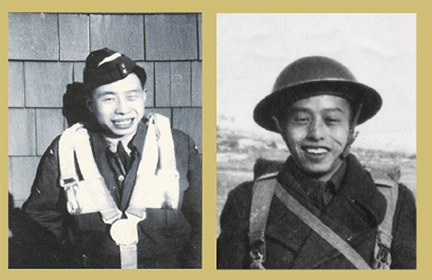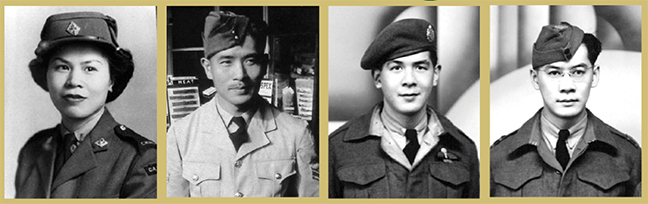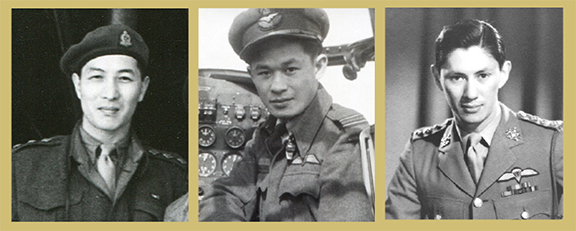
Chinese Canadian Military Museum Society

Author: cbclement (Page 2 of 2)

Chinatown History Windows

Chinatown History Windows

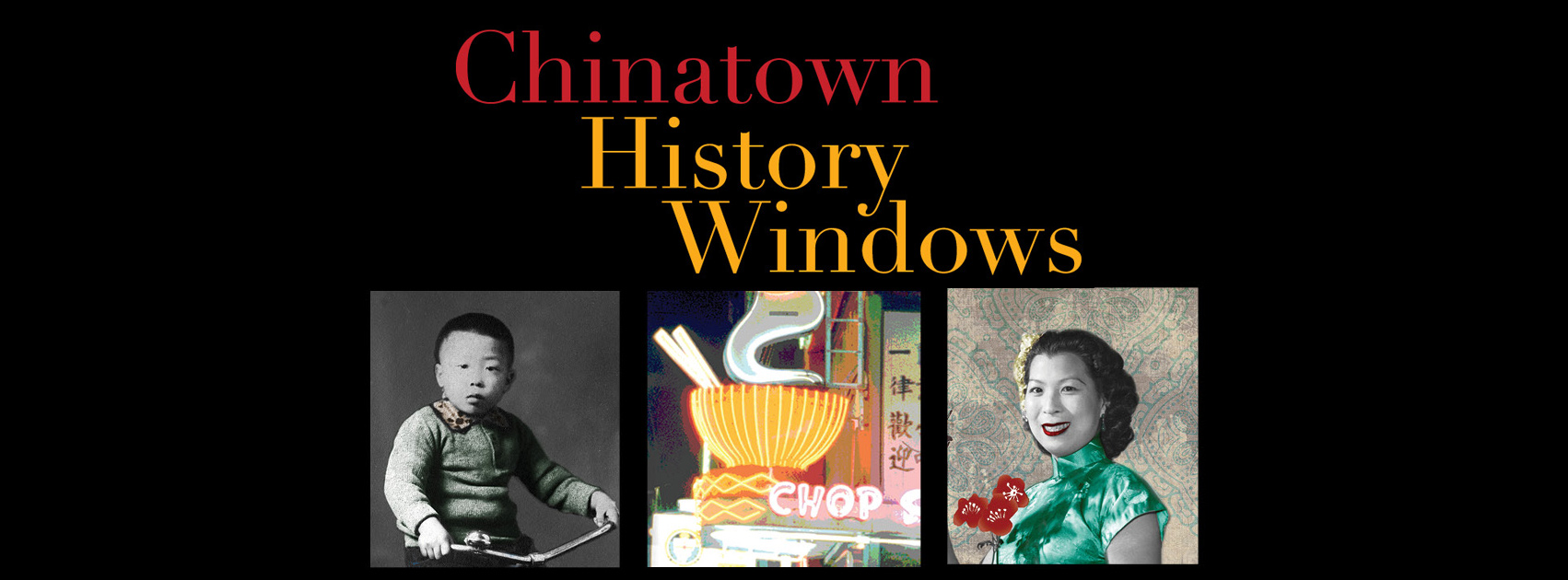
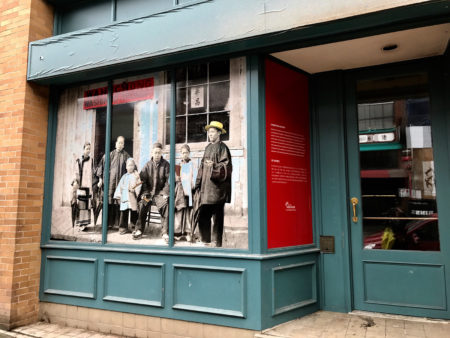
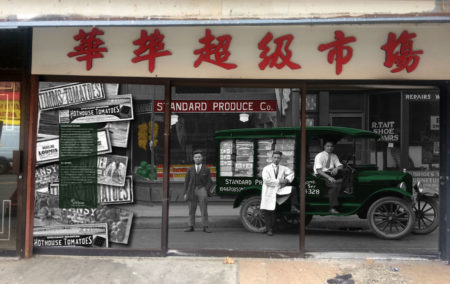
In 2017, there was a unique project that allowed people to peer into Chinatown’s past through 22 history windows.

Large-format historical photographs (which have been stylized and colourized) were installed and filled a number of storefront windows throughout the neighbourhood.

Each image was accompanied by a story that described a piece of Chinatown’s vibrant history.

The history windows covered pivotal events, as well as interesting personalities and some of the lesser-known stories that took place in this unique community.

A number of the historical images on display had never before been seen by the public.

Most of the murals have now been removed. But to see what they looked like and what stories they covered click here > SEE THE WINDOWS.


2016 Fundraising Dinner

fundraising-banner-rgb
On October 29, 2016 we held our annual fundraising dinner at the famous Pink Pearl Restaurant in Vancouver.

Stay tuned to this page to see some of the highlight photos of the evening.


fundraising-banner-rgb On October 29, 2016 we held our annual fundraising dinner at the famous Pink Pearl Restaurant in Vancouver. Stay tuned to this page to see some of the highlight photos of the evening.  

Hong Kong

Hong Kong

hk-gs

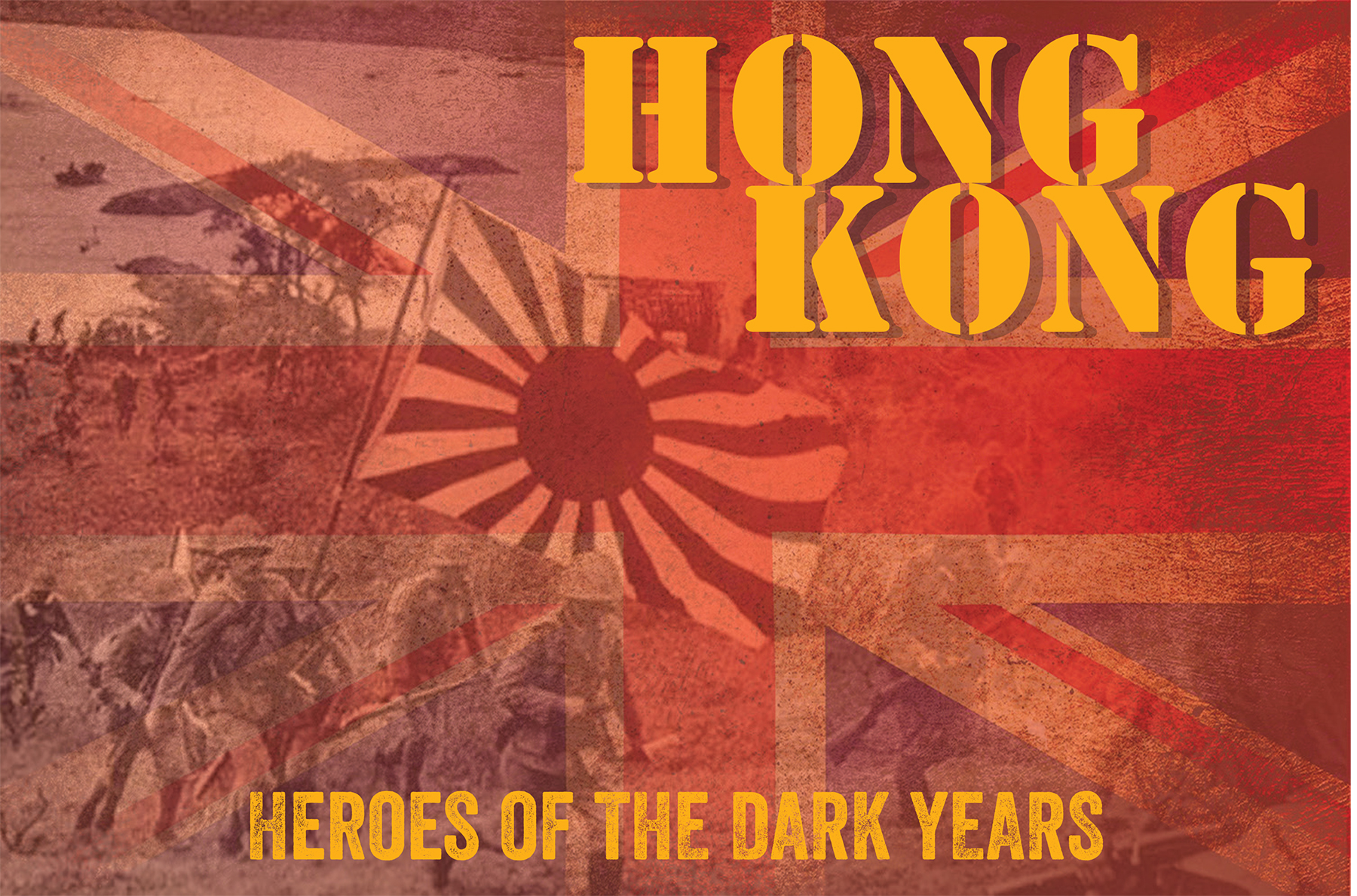
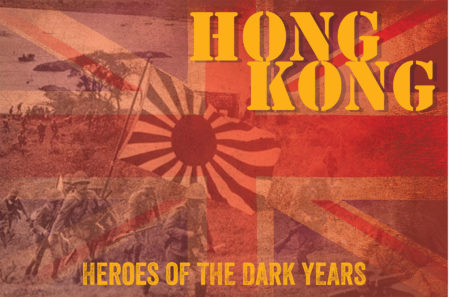
Exhibition opened on October 5, 2016 and marked the 75th anniversary of the invasion of Hong Kong.

The Defence of Hong Kong was the first battle of the Second World War in which Canadians fought. It involved two under-prepared Canadian battalions with little to no fighting experience.

The fight ended in 18 days … but the nightmare would last almost four more years.

In September 1941, Hong Kong was still a British Colony. But it was now surrounded by the Japanese who occupied key areas of China.

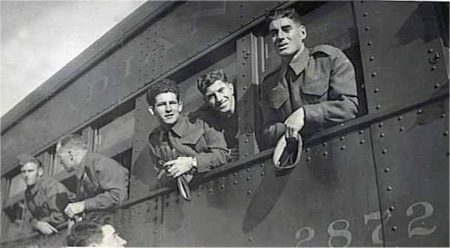
After a request from British Prime Minister Winston Churchill, Canada offered up two infantry battalions (1,975 personnel) to serve as a deterrent against a possible Japanese invasion of the territory.

The Royal Rifles of Canada (from Quebec) and the Winnipeg Grenadiers (from Manitoba) were untested in battle. Their leaders were led to believe there would be time to prepare. Some of the soldiers thought they were simply going to do garrison duty. One man even brought his golf clubs.

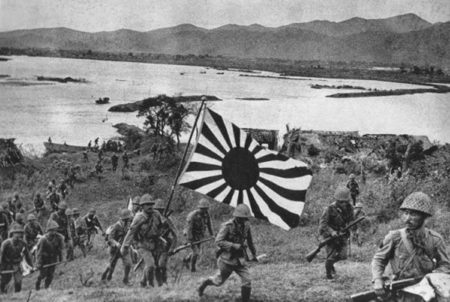
On December 8, 1941, a few hours after Pearl Harbor was bombed, the Japanese attacked Hong Kong.

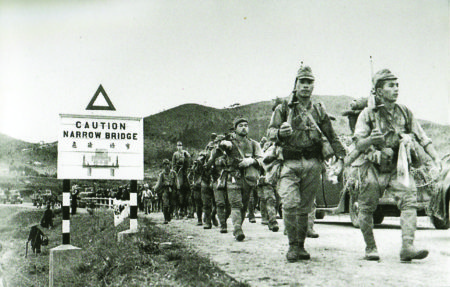
Although the Canadians stood alongside British and Indian soldiers, as well as members of the Hong Kong Volunteer Defence Corps, the defenders were out numbered four-to-one and were poorly equipped. The fighting was fierce, and each day the Allies were pushed back and eventually were cornered on Hong Kong Island. Approximately 290 Canadian soldiers died in the fighting.

Many soldiers were executed by the Japanese even after they had surrendered their posts. Civilians, medics and even hospital patients were massacred and raped as the Japanese stormed the territory.

The fighting ended on Christmas Day, when the Governor of Hong Kong finally surrendered the colony after much bloodshed.

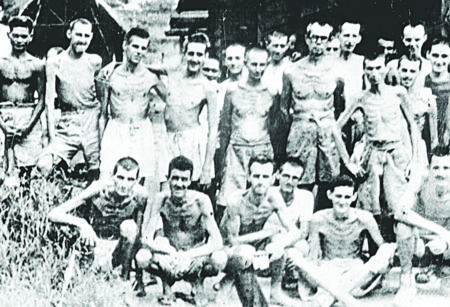
Thus began another battle – the fight to simply survive the extraordinarily harsh conditions in Japanese prisoner-of-war camps and Japanese occupation in general. Almost 1,700 Canadians spent the next four years as POWs. They were joined by thousands of other Allied soldiers and residents of Hong Kong. The POWs endured starvation; beatings; manipulation; back-breaking work for up to 12 hours a day; diseases that went untreated (such as malaria, diphtheria and infections); and filthy living conditions. During incarceration, another 264 Canadians died.

Of the 1,975 Canadian personnel who came to assist Hong Kong, approximately 1,050 either died or were wounded by the time the war ended: a 50 per cent casualty rate.

BILL CHONG (AGENT 50)

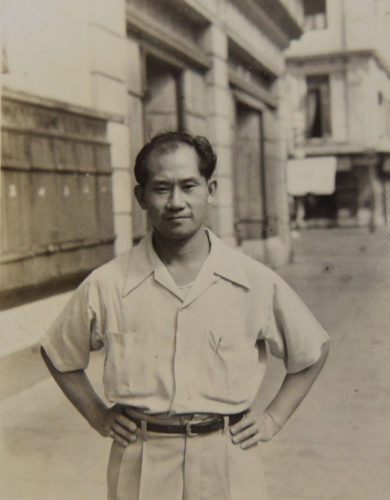
William “Bill” Gun Chong was born in Vancouver in 1911. He happened to be in Hong Kong, dealing with his late father’s estate, when the Japanese invaded.

Chong was enraged by the atrocities and killings he witnessed as the Japanese took control of the colony. He was determined to fight back.

Bill Chong (BAAG Agent 50)

Escaping to China, Chong initially sought to become a guerrilla fighter. Instead, he was persuaded to join the British Army Aid Group (BAAG) of the British Military Intelligence Section, MI-9. He became a spy and was assigned the code name “Agent 50.”

Chong spent five years gathering intelligence; relaying messages; ferrying much-needed medical supplies to secret field hospitals; and helping downed airmen and POWs escape. He usually worked alone, and would often walk 50-80 kilometres a day dressed as a Chinese peasant and wearing straw shoes. He did not sleep in a real bed for almost four years.

He also lived in constant fear of being discovered. He was captured three times and narrowly escaped each time. Despite those close calls, Chong continued to risk his life and today is credited with saving the lives of hundreds of Allied airmen and POWs.

DR. RAYMOND LEE

Born in 1911 in Toishan, China, but raised in Canada, Dr. Raymond Lee had recently completed his medical degree at Hong Kong University when the invasion happened. The Japanese needed his medical expertise and desperately tried to recruit him, but Lee refused and escaped to free China. There, Lee was invited by Colonel Lindsay Ride to join BAAG and become their lead physician in charge of establishing and operating medical outposts. (Ride, an Australian who had escaped a POW camp, had been an associate of Lee’s at Hong Kong University.)

While Lee’s original assignment was to focus on medical treatment for escaped POWs and British Army and BAAG personnel, it did not take long before his patient list ballooned. As war raged on, Lee expanded his services to Chinese army personnel (both nationalists and communist guerrillas). As well, each day his team would treat hundreds of ordinary Chinese residents who were sick from disease and starvation or were badly injured in the frequent air raid bombings.

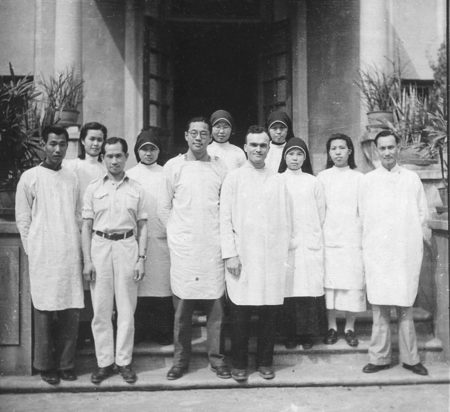
Dr. Raymond Lee (5th from left) with members of his medical team. Third from left is Bill Chong.

Besides running medical outposts, Lee also established several congee kitchens to help address the severe malnutrition of civilians.  Despite working in sometimes crude conditions, and with many untrained staff, Lee’s medical expertise and leadership skills helped saved thousands of lives.

WILLIAM LORE

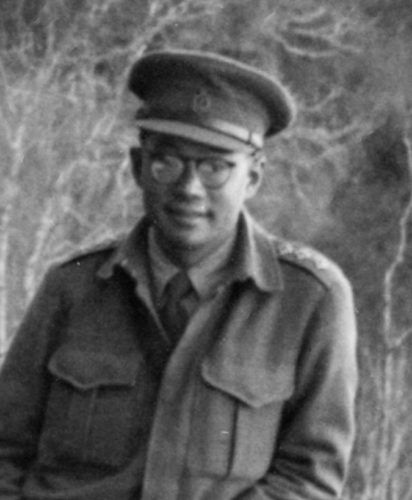
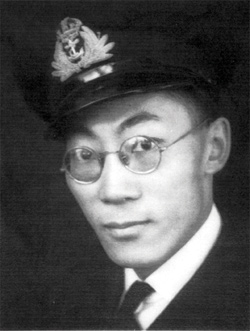
William K. Lore, born in Victoria in 1909, was the first Chinese officer in the Royal Canadian Navy. In fact, he was the first officer of Chinese descent to serve in any of the navies of the Commonwealth.

Late in the war, Lore was assigned to British Pacific Fleet. Pulling into Hong Kong Harbour aboard the Swiftsure on August 30, 1945, Lore was handpicked by Rear Admiral Cecil Harcourt to be the first British Officer to step ashore onto liberated Hong Kong soil. The next day, Lore was tasked to liberate the notorious Sham Shui Po POW camp. After a short, intense stand-off with the Japanese guards at the prison gates, Lore found his way into a dirty, ramshackle barrack, housing dozens of sick and emaciated Canadians. It was a reunion that would be forever etched into Lore’s memory.

William Lore circa 1943

In his diary, Lore described the scene:

I could see 20 or 30 officers in ragged remains of uniforms looking at me … without a sound. I then walked a few steps towards them and said “I am a Canadian naval officer, and I am here to liberate you guys. Aren’t you glad to see me?”

A few came towards me … gazed at my cap badge …and then exclaimed “You are real! We are saved!”

Then came a rush towards me, with tears and shouts, which brought further POWs down rickety wooden stairs from the upper floor of the building. 

I have never seen so many men in tears together. But they were “happy tears.” In fact, I was in tears myself because they were like skeletons and I realized that the young happy-go-lucky boys of less than four years ago, had now become old men…

William Lore, August 31, 1945.

WILLIAM POY

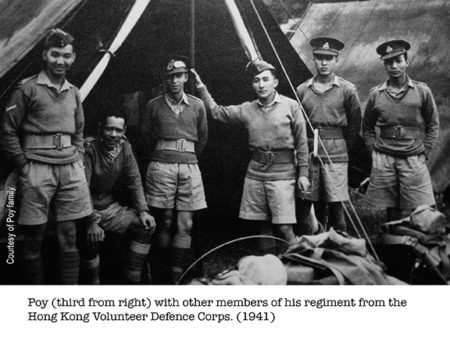
Born in Australia in 1907, William Poy ventured north to the British colony of Hong Kong while still in his 20s.

He adapted quickly to his new home. Poy became a successful amateur jockey and, through participation in the “sport of kings,” was introduced into British Colonial Society.  He joined the Freemasons and eventually became Right Worshipful Master of his chapter lodge in Hong Kong. He also married, had two children and began a promising career at the Canadian Trade Commission.

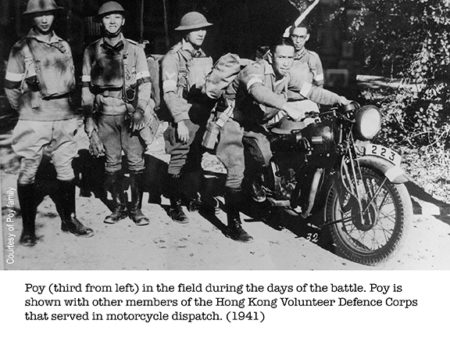
When Japan attacked the colony, Poy volunteered to be a motorcycle dispatch rider for the Hong Kong Volunteer Defence Corps. He traversed dangerous roads — dodging bombs, shelling and mortar fire — in order to deliver vital communiques. Poy survived his missions and was later decorated by the British for his courage and tenacity.

Photo courtesy of Lore family

Photo courtesy of Lore family

Months after Hong Kong fell, the warring governments negotiated an exchange of Allied for Japanese nationals. Just hours before the Red Cross ship with Allied nationals was to set sail, Poy got word that he, his wife and two young children were on the list to leave for Canada. They were accepted into Canada despite the fact the Chinese Exclusion Act was still in effect. (This Act, instituted in 1923, essentially banned immigration of Chinese into Canada.)

Force 136

Force 136

Web-mage

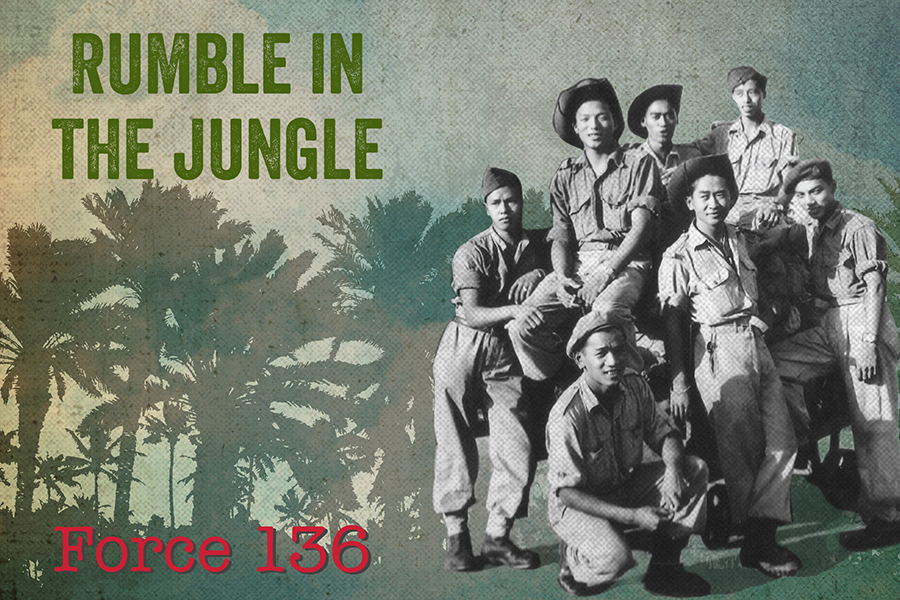
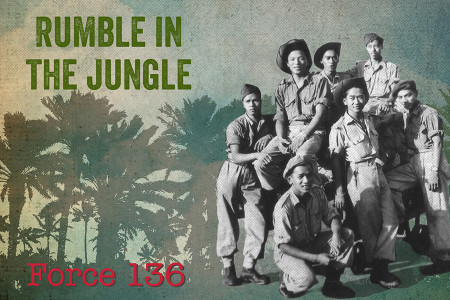
“Rumble in the Jungle: The Story of Force 136” was a tribute to the Chinese Canadians who signed up for this dangerous and secretive mission in Southeast Asia during the Second World War. Launched on Saturday, May 14, 2016 were fortunate that some members of this elite group were still alive, and nine of them managed to make it to the opening.

The reason for Force 136.

In late 1941, Japan had entered the Second World War. It quickly invaded and occupied large swathes of Southeast Asia. Many of these areas had once been British, French and Dutch colonies.

Britain was desperately looking for a way to infiltrate the region. They had had some success in occupied Europe when Special Operations Executive (i.e., British intelligence) trained and dropped secret agents into France, Belgium, Holland, etc. The role of these agents was to organize and support local resistance fighters, and help with espionage and sabotage of infrastructure and German supply lines and equipment.
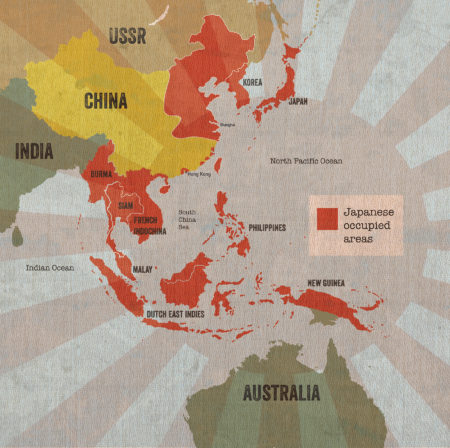
Map of Japanese occupied areas of Asia during WWII

Map of Japanese occupied areas of Asia during WWII

However, Southeast Asia presented some unique challenges to SOE. It was a vast area to cover, with many islands, challenging physical terrain and very diverse populations and languages.

SOE soon realized that Caucasian agents would stand out too much and would struggle to gain local trust. After all, most of the residents of the region held little good will towards their former colonizers.

The British would need an alternative agent. And an alternative strategy to build guerrilla groups.

Scattered throughout the region was a sizeable population of Chinese. Many were vehemently opposed to Japanese occupation and were angry about Japanese aggression in China. The question was how to contact and organize them?

The answer, of course, lay with Chinese Canadians. They could easily blend in to the population. They could speak Cantonese. And there were lots of these men waiting for an assignment.

In the early years of the war, many young Chinese Canadian men had walked into recruitment offices and offered their names. Generally, they were told “we can take your name, but you are not likely to be called up because you are Chinese.” They were shown the door.

Suddenly, they were the perfect recruit and their services were needed. But in a way that would require them to swear to secrecy and face a 50-50 chance of being killed.
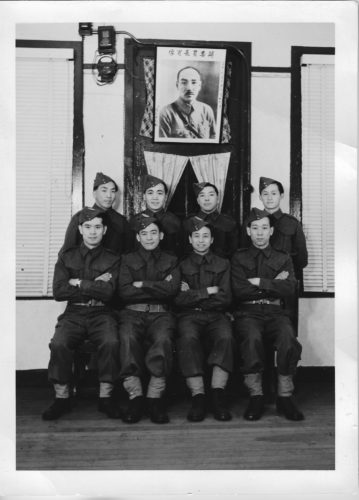
Chinese Canadian recruits

Chinese Canadian recruits

Between 1944 and 1945 about 150 Chinese Canadians were recruited and quietly seconded to the British SOE in Southeast Asia. They became known as members of Force 136.

No ordinary training:

The mission of Force 136 members was simple. Get dropped behind Japanese lines; survive in the jungle in small teams with no outside support; seek out and train local resistance fighters; and work with those guerrilla groups to sabotage Japanese equipment and supply lines and conduct espionage.

To do this kind of work would require much more than their basic army training. The men would need to learn commando warfare techniques. Over the course of several months they learned such skills as: stalking; silent killing; demolition; jungle travel and survival (including how to swing from tree to tree); wireless operations; espionage; parachuting; interpretation; and silent swimming.

Swimming was one of their biggest challenges as most Chinese were banned from public pools at the time, so few knew how to swim.
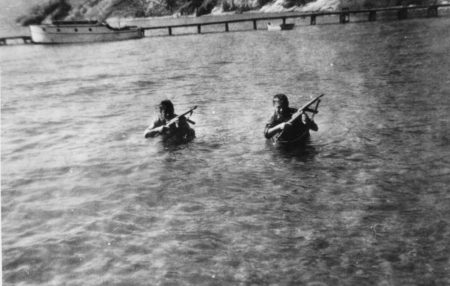
John KoBong and Tom Lock in training

John KoBong and Tom Lock learning to swim silently loaded down with gear.

Besides their gruelling training, the men would have to fight off illnesses (like malaria, dysentery and broken bones), and endure incredible heat, humidity and monsoons.
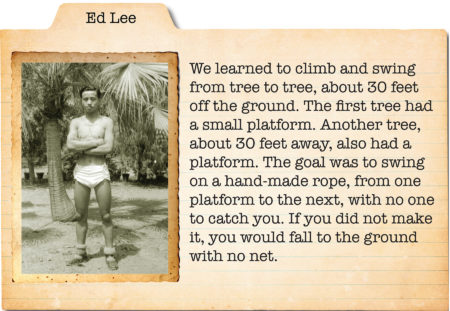
Ed Lee recalls some of his training.

Ed Lee recalls some of his training.

Eventually, each recruit became a specialist: in demolition, wireless operations or interpretation. In the field, teams were small and generally consisted of no more than eight men: first and second commanders, two demolition experts, a wireless operator, a coder/decoder and two Gurkha scouts.

The First Recruits:

The first group to be formed were 13 hand-picked men who were assigned to a mission with the ominous title: Operation Oblivion. Their initial goal was to go into China, but the Americans vetoed those plans.
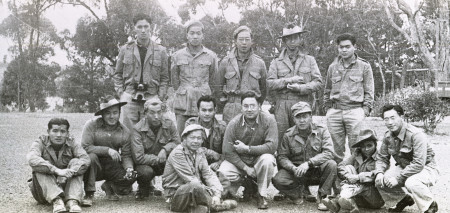
Operation Oblivion group.

First of the Force 136 recruits, also known as the Operation Oblivion group.

They endured three-months of exhausting training at a secret, temporary camp at Commando Bay on Okanagan Lake. Training continued in Australia on Fraser Island where the men were attached to the Australian Army.

Later Recruits:

By January 1945, the remaining Chinese Canadians had been recruited. The first of these men were shipped to India via England. Others followed them to India over the next few months. About 15 men were selected to go to Australia to join the Operation Oblivion group.
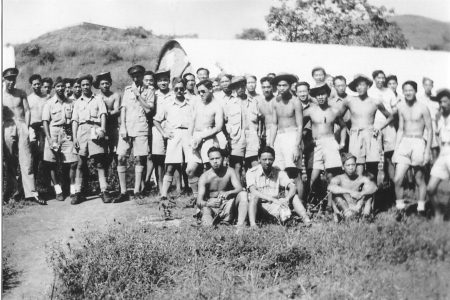
Chinese Canadians of Force 136 training near Poona, India

Chinese Canadians of Force 136 training near Poona, India

The Operations:

Most recruits were not fully deployed before Japan officially surrendered on August 15, 1945. Some had had the chance to do short trips into occupied territory.

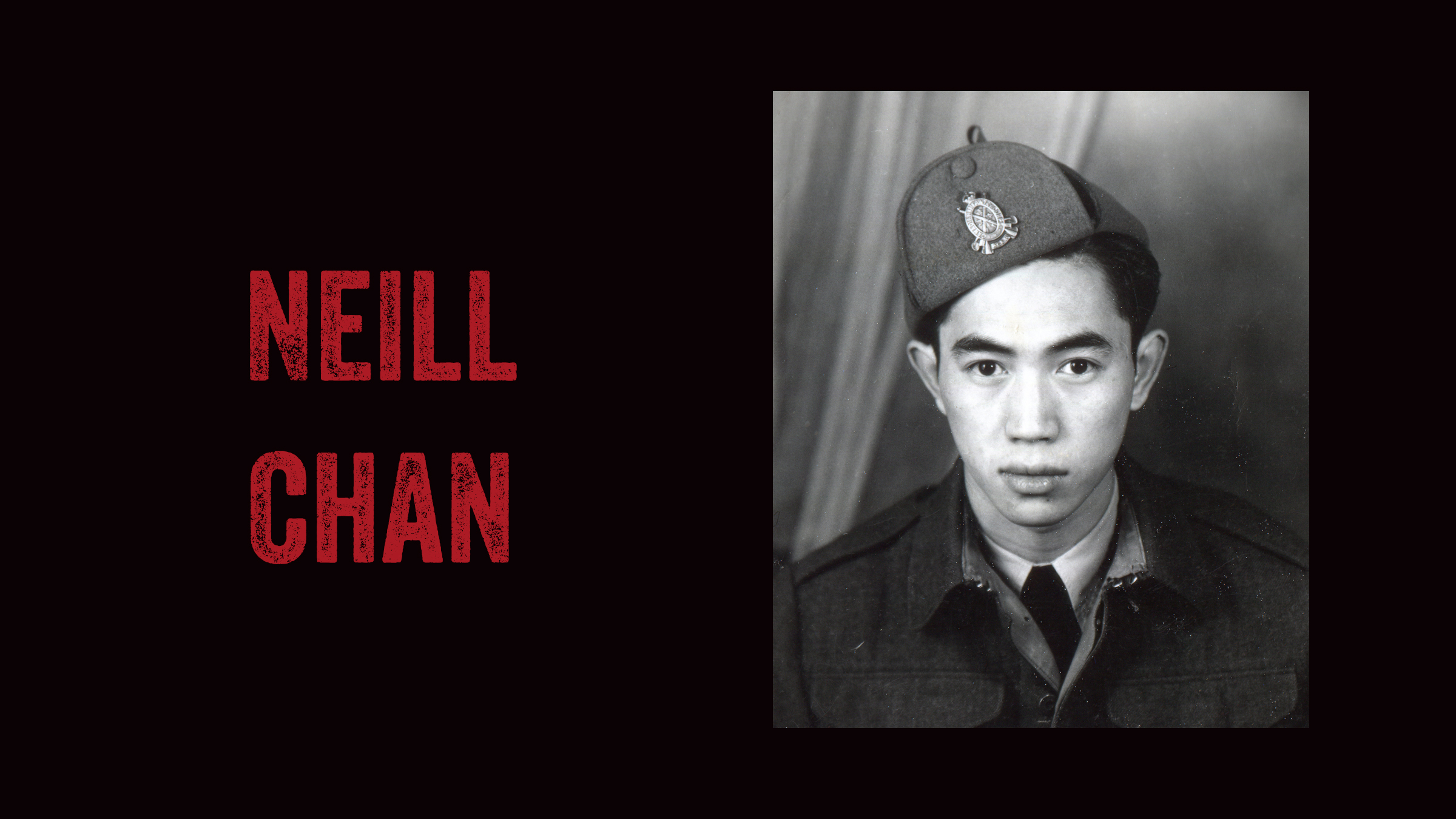
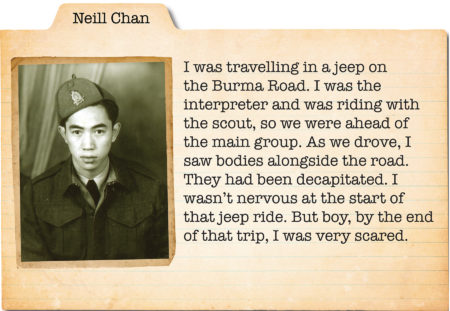
One young Force 136 member in India, Neill Chan of Vancouver, described one of these short missions which was, nevertheless, nerve wracking for him.
neilchan-card

About 14 men found themselves operating behind Japanese lines for several months in Burma, Borneo, Malay and Singapore. Most stayed in the field well into the Autumn of 1945.

They served in missions with codenames such as Operation Galvanic, Operation Humour, Operation Tideway Green, Operation Snooper and Operation Sargeant.
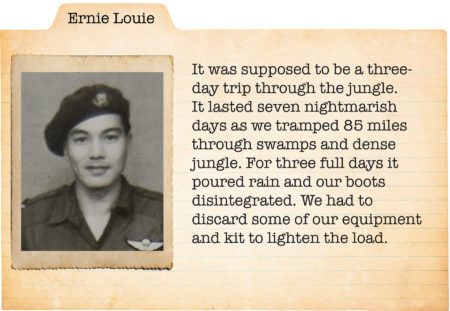
Ernie Louie recalls his days trekking through the jungle

Ernie Louie recalls his days trekking through the jungle

The goals and the resistance groups they contacted varied. Generally, missions ranged from supporting and training local fighters in sabotage activities; to forcing Japanese units to surrender; finding and liberating prisoner-of-war camps; and maintaining order and security post surrender.
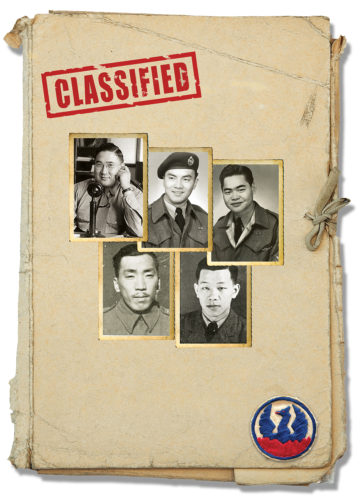
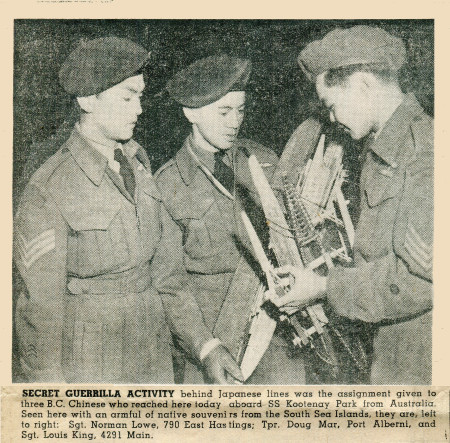
Captained by Roger Cheng, these Force 136 men spent several months behind enemy lines in Borneo. (Top, LtoR): Roger Cheng; Norman Lowe; Louie King; Roy Cha; Daniel Shiu.

Five Force 136 men spent several months behind enemy lines in Borneo. (Clockwise from top left): Capt. Roger Cheng; Norman Low; Louey King; James Shiu and Roy Chan.

Captain Roger Cheng took in the very first group of Force 136 Chinese Canadian men. In March, 1945 he was sent into Borneo with Roy Chan, Louey King, Norman Low and James Shiu.

Their mission included: Contact and befriend Dyak headhunters; provide equipment and training; assist with sabotage; locate isolated Japanese units and force them to surrender; find POW camps; organize tribesmen into local security forces; patrol rivers; and prevent revenge massacres of Japanese troops and suspected collaborators.
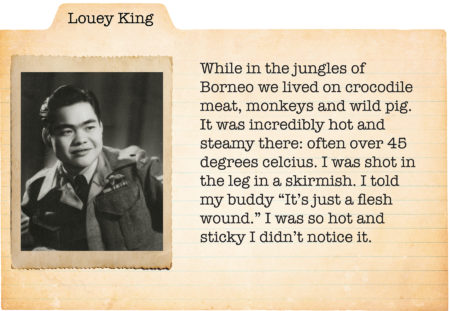
loueyking

They all survived their mission in the jungle and returned home to Canada in February, 1946, as seen in this photo taken by the Vancouver Sun newspaper. Later that year, Low, King, Chan and Shiu were awarded the Military Medal for their efforts.
Newspaper-returning

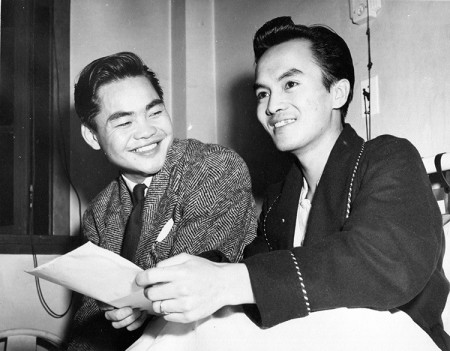
Awarded the military medal: Louie King (L) and Norman Low celebrate in the hospital where Low was recovering from complications due to malaria.

Awarded the military medal in September 1946: Louie King (L) and Norman Low celebrate in the hospital where Low was recovering from complications due to malaria. Because Low had previously been sworn to secrecy, he could not divulge his mission and consequently his doctors were initially skeptical that he had malaria. Low never fully regained his health and died at the age of 37.

The Long Journey Home.

On August 15, 1945 Japan officially surrendered. For many Chinese Canadians in Force 136, it meant it was time to get ready to return home.

Others stayed in the field for a few more months to find and disarm isolated Japanese troops and to help maintain order during the post-war transition period.
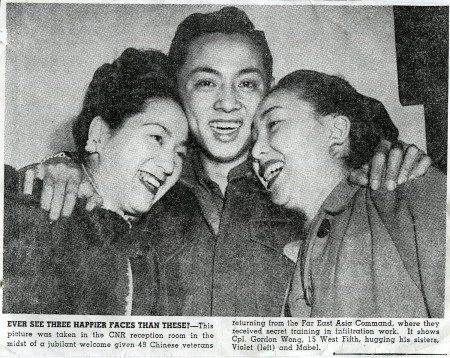
Force 136 member Gordon Wong returns home from the war to Vancouver. The Vancouver Sun newspaper captured his warm greeting from his sisters Violet (L) and Mabel.
Force 136 member Gordon Wong returns home from the war to Vancouver. The Vancouver Sun newspaper captured his warm greeting from his sisters Violet (L) and Mabel.

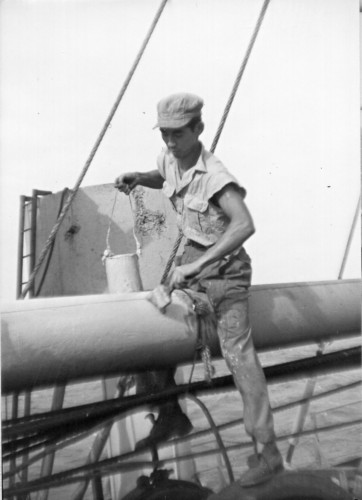
Force 136 men had to work on cargo ships to earn their passage home to Canada.

Force 136 men who had been stationed in Australia, were forced to find work on cargo ships in order to earn their passage home to Canada.
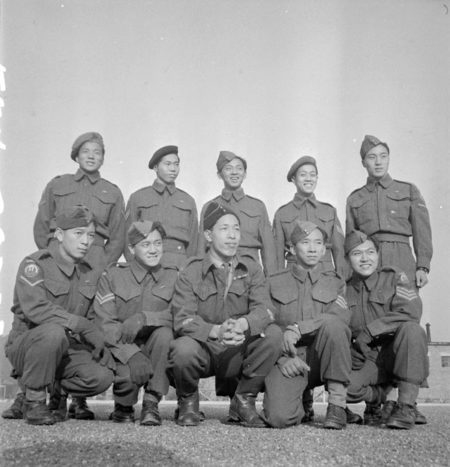
Force 136 men in England awaiting repatriation to Canada

Force 136 men (who were stationed in India) await in England for repatriation to Canada.

Learn more about the story Force 136 from this article published on War History Online.

Our Exhibition Launch:

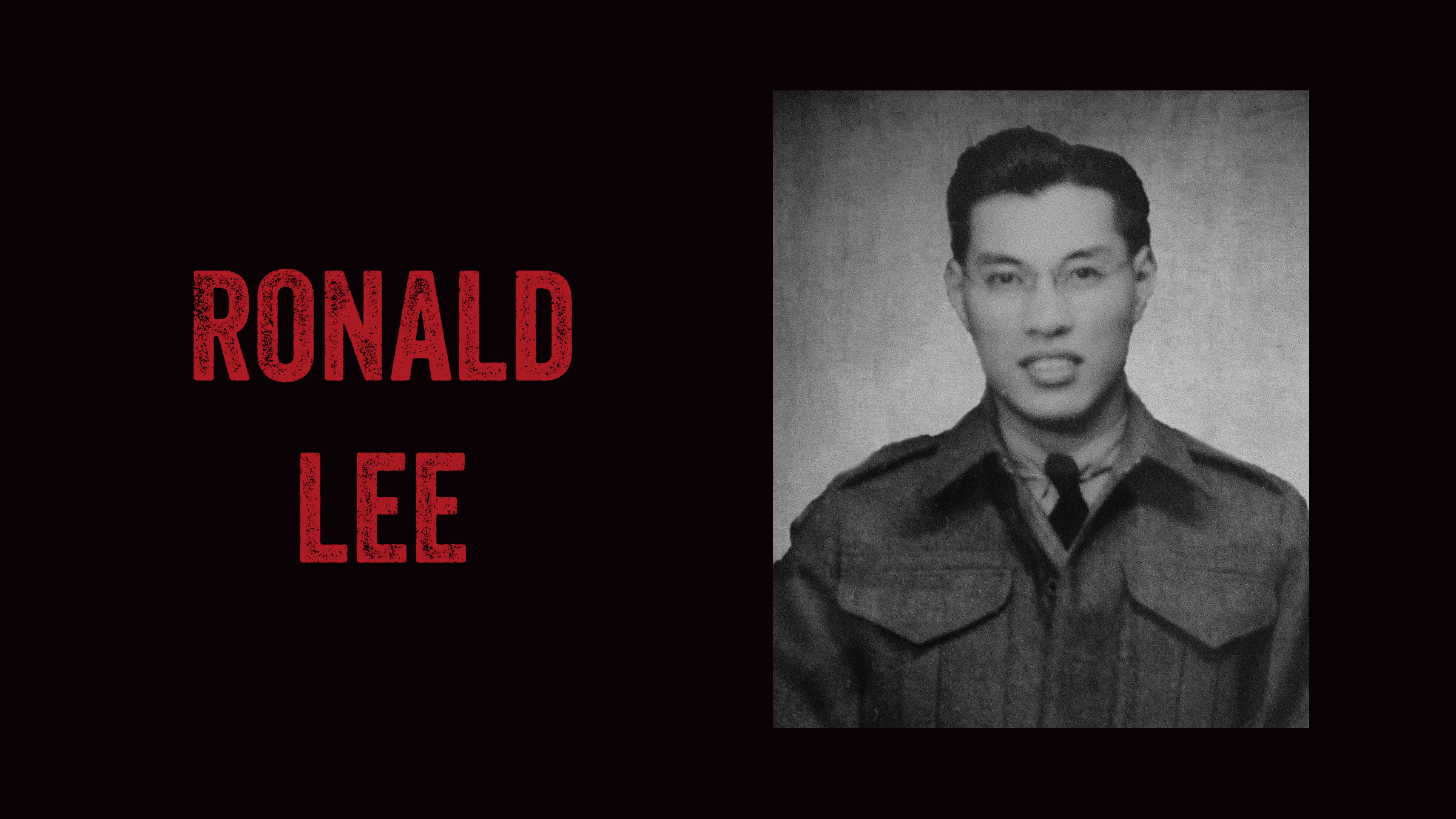
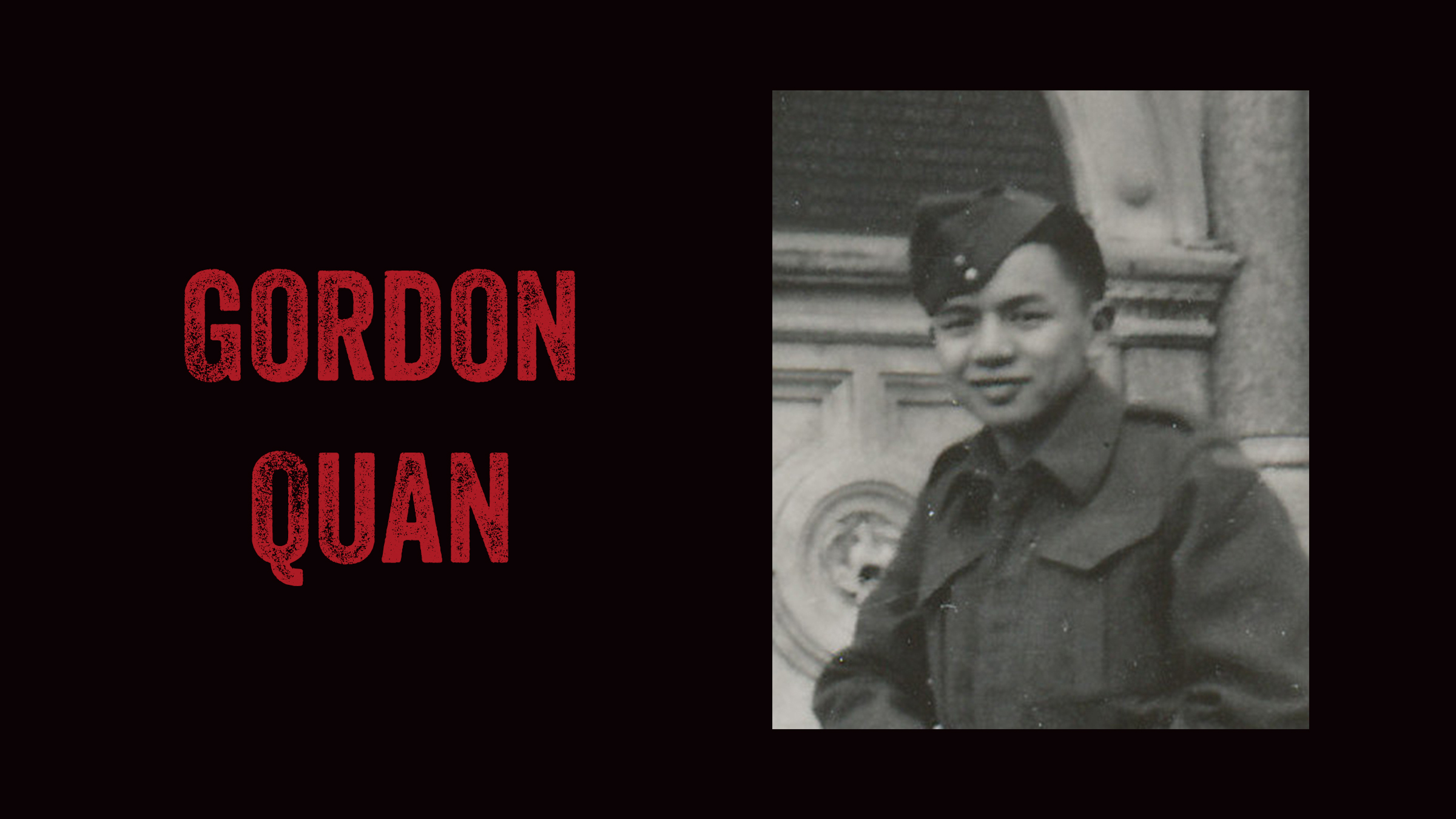
We were fortunate that some members of this elite group were still alive on May 14, 2016, the day of our launch. Nine of them managed to make it to the opening: Neill Chan, Chong Joe, Charlie Lee, Ronald Lee, Gordon Quan, Gordon Wong, Hank Wong, Tommyc CG Wong and Victor E. Wong.

Below are photos from exhibition launch event. Photos courtesy of Steve Ko and Vincent L. Chan.

Exhibition Supporter:

CoV-logo-RGB

Exhibition Partner:
CCC-logo-2-2015

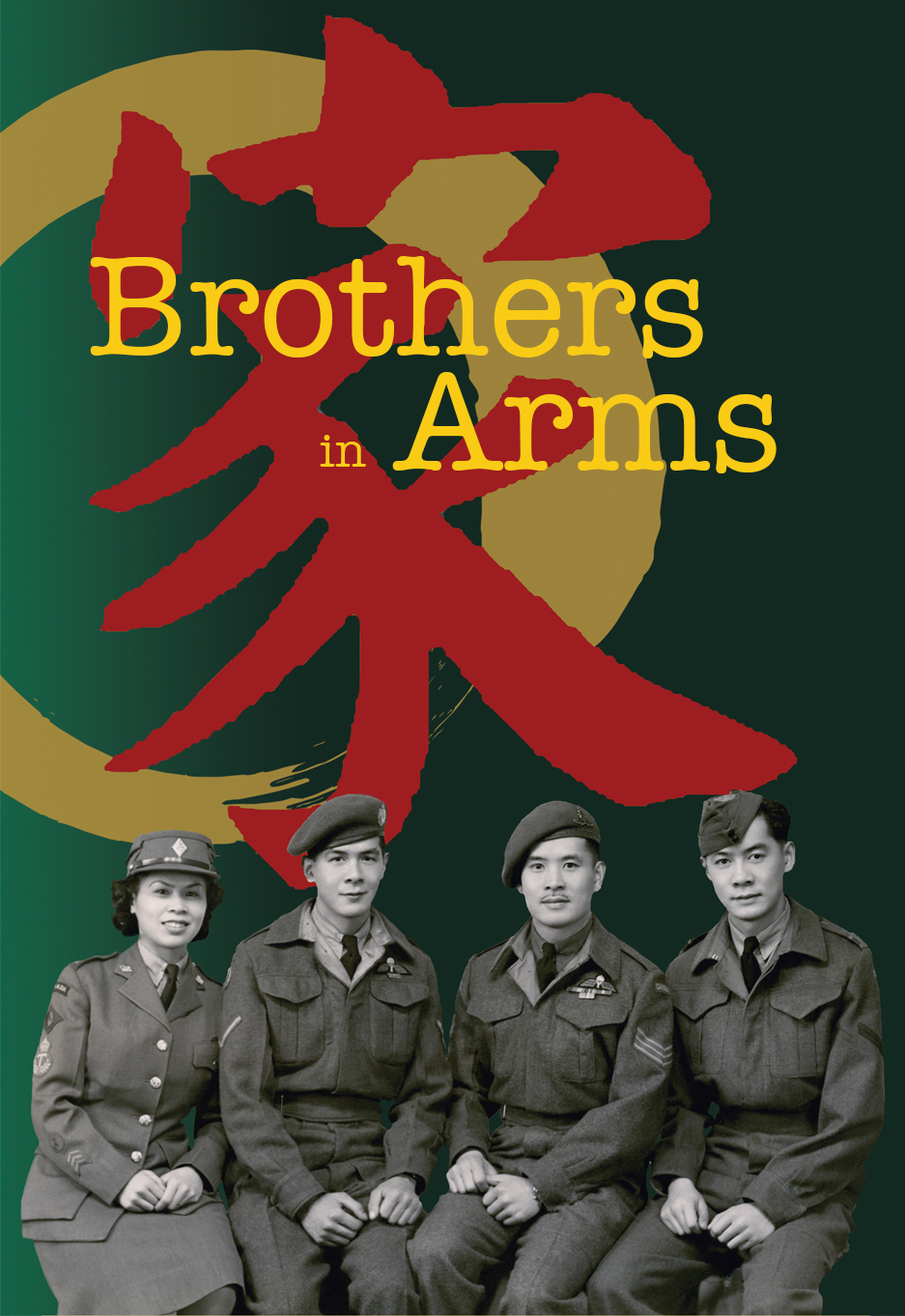
Brothers in Arms

Brothers in Arms

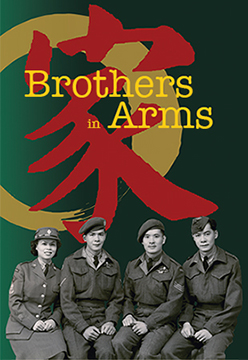
Brothers in Arms lead graphic

When the Second World War broke out, hundreds of Chinese Canadian families held their breaths as their children signed up for the war effort.

In some families, more than one child decided to enlist or was requested to report for duty. These siblings became “brothers and sisters in arms.” Here are a few of their stories.

>>  MAH

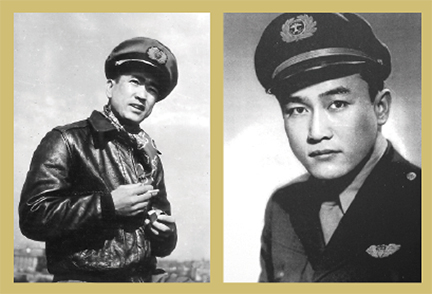
Albert (L) and Cedric Mah

Albert (L) and Cedric Mah

Brothers Albert and Cedric Mah were born in Prince Rupert, B.C. Both trained in Los Angeles to become pilots.

Initially rejected by the RCAF because of their race, they instead joined the Chinese National Aviation Corporation and were based in India for much of the Second World War. Their mission was to fly vital supplies from India into Japanese-occupied China. It meant flying twin engine, unpressurized Dakotas over the highest mountain range in the world, the Himalaya Mountains (aka The Hump). These missions were extremely dangerous, made more so by the presence of Japanese Zeros which patrolled the skies.

Both men survived the war with impressive records: Albert flew 420 missions over The Hump while Cedric finished his career with 400 successful flights and 6,000 flying hours.
 

>>  WONG

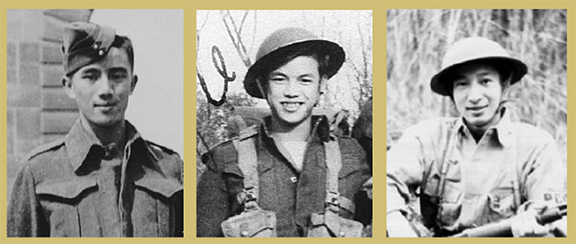
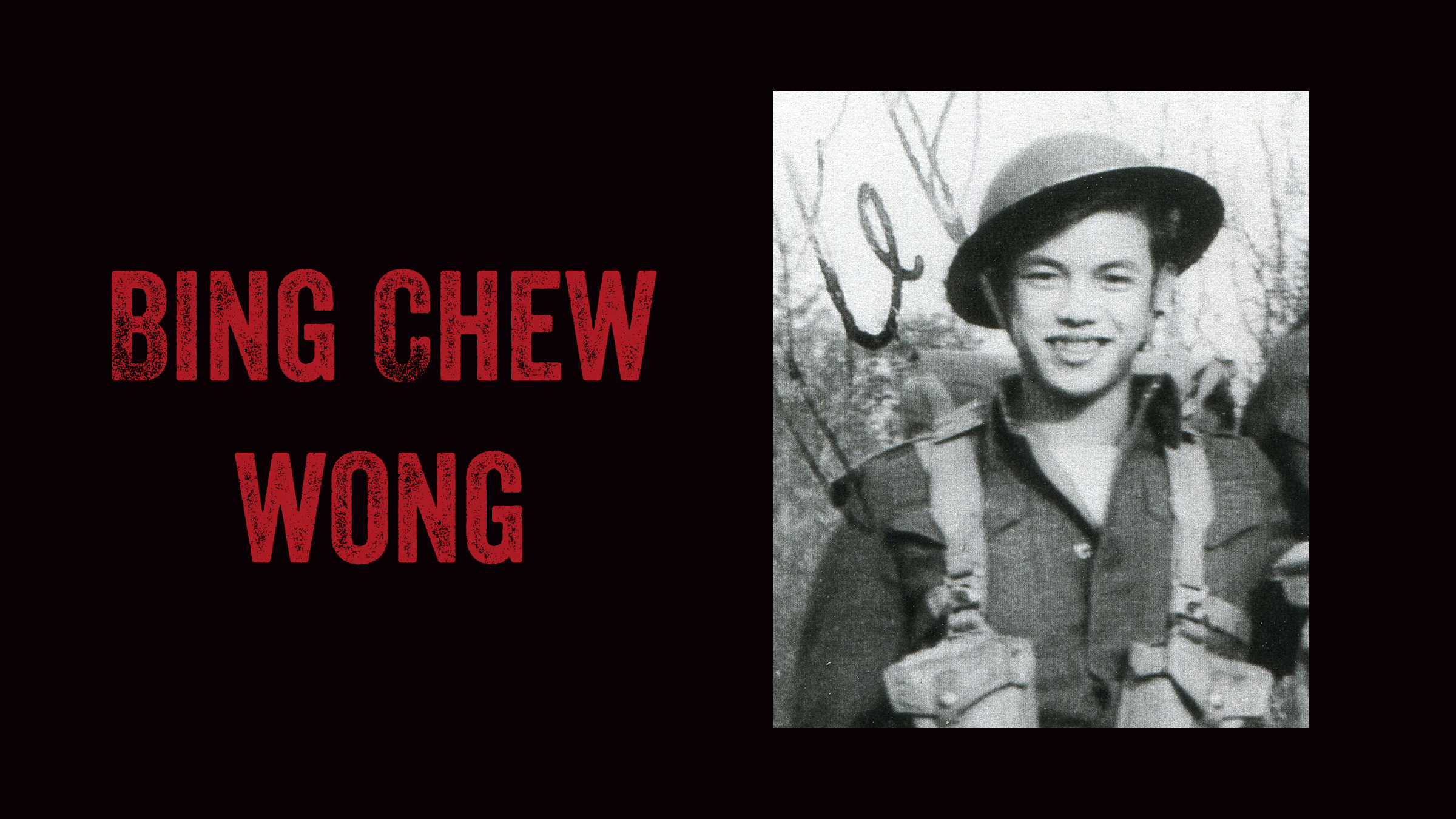
Frank (L), Bing Chew and Bing Foon Wong

Frank (L), Bing Chew and Bing Foon Wong

Frank, Bing Chew and Bing Foon Wong spent part of their childhood near Alert Bay, Vancouver Island.

Frank Wong was the oldest, and signed up with the Army in 1942. He was posted to England with the First Canadian Army Troop Workshop and was the only person of Chinese descent in that unit. Frank landed at Juno Beach during the Normandy invasion. While the Germans retreated, his mobile unit followed the Artillery through to Caen, France. They eventually reached Holland and helped with the liberation of that country.

Bing Chew recounts growing up playing “cowboys and indians” with the local First Nations children. “But they wanted to play the cowboy and I had to be the Indian” he recalls. Bing followed in his brother’s footsteps and also joined the Army. He was an excellent marksman. However, weighing in at only 115 lbs, it was often a challenge for him to march ten miles carrying a 28 lb Bren gun.

Another Wong brother, Bing Foon Wong, volunteered for the Pacific Coast Militia Rangers in Alert Bay, on Vancouver Island. His assignment was to be the last line of defence protecting coastal British Columbia from a Japanese invasion.

>>  LEE (Windsor)

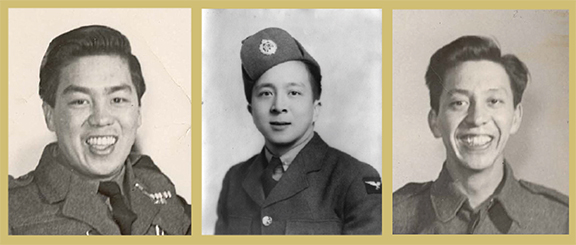
Ben (L), Edward and Peter Lee of Windsor, Ontario

Ben (L), Edward and Peter Lee of Windsor, Ontario

Edward Lee signed up for the RCAF where he served as an aero engine fitter mechanic in 404 Squadron. Part of Coastal Command with missions along the Norwegian coast, 404 Squadron took part in the D-Day in invasion in Normandy, using their bombers to help clear German destroyers.

Meanwhile, Peter, the oldest brother, was posted to the 24th Light Anti-Aircraft Battery in England. He later became a chemical warfare instructor. Although Peter was promoted to the rank of Sargent, he later lost his rank due to fighting with other service men who mistreated him due to the fact he was Chinese.

Ben Lee served five years with the Perth Regiment, 11th Infantry Brigade, 5th Armoured Division. Ben saw action in some important countries in the European theatre: Italy, France, Belgium, and Netherlands.

>>  LEE (Vancouver)

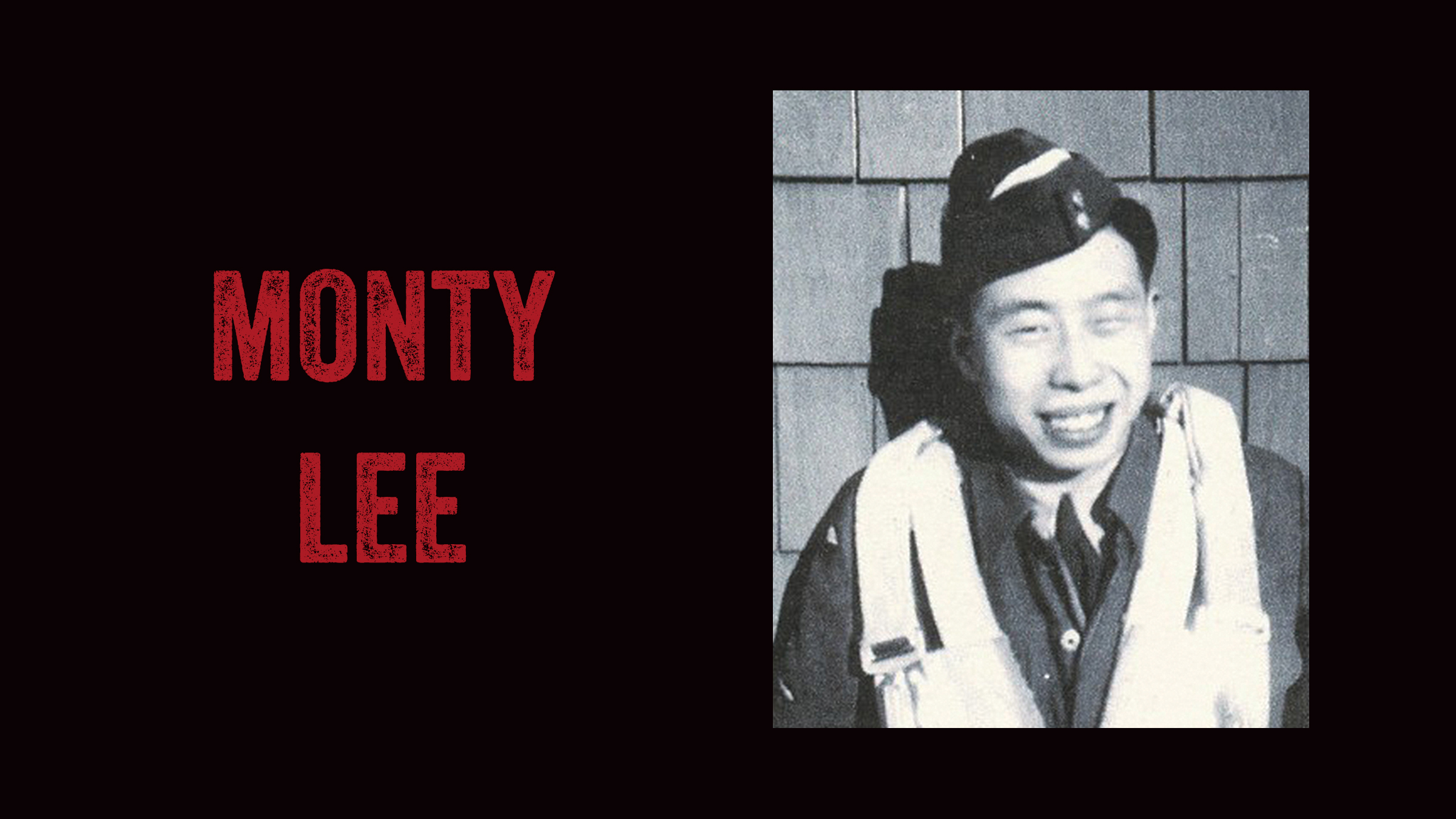
Monty (L) and Edward Lee from Vancouver

Monty (L) and Edward Lee from Vancouver

Monty and Ed Lee were both from Vancouver.

Monty wanted to fly but was initially refused entry because he was Chinese. He would not give up his dream and eventually found himself stationed in Labrador with RCAF Bomber Command. Trained as a bombardier, Monty spent hundreds of hours flying up and down the coastline looking for German U-boats and accompanying merchant marine convoys out to sea. His efforts enabled hundreds of ships to carry vital supplies from Halifax to Great Britain.

Ed was only 18 years old when he signed up for the Canadian Army in October, 1944. He was assigned to Special Operations Executive, Force 136. Ed trained in the bitter cold environment of Maple Creek, Saskatchewan. However, he ended up stationed in the tropical climate of Poona, India where he perfected guerrilla combat techniques. One skill that Ed learned in the jungle was how to use a rope to swing from tree to tree, with nothing below to catch his fall.

>>  KO BONG

Mary, John, Peter and Andrew Ko Bong

Mary, John, Peter and Andrew Ko Bong

The Ko Bong family from Victoria watched as four of their children joined the war effort.

Mary Ko Bong was the first to enlist and joined the Canadian Women’s Army Corps. A Lance Corporal, she worked as an instrument mechanic. She repaired binoculars, gun sights and other optical aids.

She was soon followed by her brother John. He started with the 16th Canadian Scottish Army Reserve and later became a member of Operation Oblivion, a select group of 13 Chinese Canadian men trained in guerrilla warfare. Part of the Special Operation Executive, they were to be parachuted into Japanese held areas, and find and train local Chinese resistance fighters. He was to scheduled for covert ops in Hong Kong, but when Japan surrendered, John was sent to the Philippines where he repatriated POWs.

Peter was with the Royal Canadian Engineers in India and also trained as a parachutist. While the youngest brother, Andrew, enlisted in January 1944 and became a Lance Corporal in the Reserve Army.

>>  JUNG

Ross, Arthur and Douglas Jung

Ross, Arthur and Douglas Jung

Three members of the Jung family served in the Second World War. Ross, Arthur and Douglas were all raised in Victoria, B.C.

Ross was a medical officer with the rank of Captain. He served in North Africa from 1943 until 1945. Later he worked in the U.S., and became one of the physicians to President John F. Kennedy. Ross also did work with the CIA.

The Air Force became the home for Arthur, who was stationed in England with Bomber Command. By the end of the war, he had completed 30 nerve-wracking missions and was promoted to flight lieutenant. After the war, he became a commercial pilot and died in 1973 doing what he loved, flying.

The youngest brother, Douglas, enlisted in the Canadian Army.  He volunteered to serve with the Special Operations Executive and was the first of 13 Chinese Canadians hand picked for Operation Oblivion. Their mission was to trek through the Asian jungles and seek out, enlist and train local Chinese resistance fighters in Japanese-occupied territory. Jung never got the chance to go behind enemy lines due to a parachuting accident while training. After the war, he became the first Chinese Canadian elected to Parliament.

70th Anniversary Gala

70GALApsd

2015 marks 70 years since the end of the largest conflict in human history. 

To commemorate this milestone, our museum hosted a special gala on October 24, 2015. About 360 people attending and we used the occasion to say “thank you” to the few remaining Second World War veterans still with us. And the evening was also a chance to help families honour and remember those who have passed on.

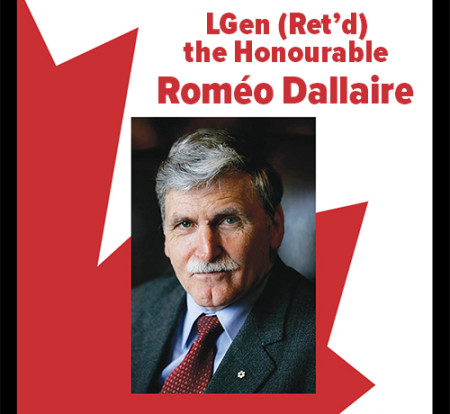
The occasion was made all the more special by the presence of LGen (Ret’d) the Hon. Roméo Dallaire, who provided the audience with a moving keynote speech. We were also delighted that the Lt. Gov of British Columbia, the Honorable Judith Guichon joined us for the evening.

Dallaire-web-image

VIDEO: We started by playing a tribute video called “Faces to Remember” – a look at the faces of those who served but have passed on. Please click the image below to view the VIDEO.

Faces We Remember Video image

We then followed with an acknowledgement of the service of each of the 17 veterans in the room that evening. It was moving to see these men and women, all in their 90s, come out for this special tribute.

Army, SOE, Force 136

Army, SOE, Force 136

Army, Artillery. Served in Normandy and also in the liberation of Holland.

Army, Artillery. Served in Normandy and also in the liberation of Holland.

RCAF Bomber Command

RCAF Bomber Command

Navy

Navy

Royal Engineers, Indian Army

Royal Engineers, Indian Army

RCAF coastal command

RCAF coastal command

Served on the homefront with an all-Chinese St. Johns Ambulance brigade.

Served on the homefront with an all-Chinese St. Johns Ambulance brigade.

Army, SOE, Force 136

Army, SOE, Force 136

Navy

Navy

Navy

Navy

Army, SOE, Force 136

Army, SOE, Force 136

Navy

Navy

Navy

Navy

Expert marksman who was being trained for the Tiger Force - the invasion of Japan.

Expert marksman who was being trained for the Tiger Force – the invasion of Japan.

One of the first Chinese Canadians to be accepted into the RCAF.

One of the first Chinese Canadians to be accepted into the RCAF.

Army, SOE, Force 136

Army, SOE, Force 136

Army, SOE, Force 136

Army, SOE, Force 136

70GALApsd

2015 marks 70 years since the end of the largest conflict in human history. 

To commemorate this milestone, our museum hosted a special gala on October 24, 2015. About 360 people attending and we used the occasion to say “thank you” to the few remaining Second World War veterans still with us. And the evening was also a chance to help families honour and remember those who have passed on.

The occasion was made all the more special by the presence of LGen (Ret’d) the Hon. Roméo Dallaire, who provided the audience with a moving keynote speech. We were also delighted that the Lt. Gov of British Columbia, the Honorable Judith Guichon joined us for the evening.

Dallaire-web-image

VIDEO: We started by playing a tribute video called “Faces to Remember” – a look at the faces of those who served but have passed on. Please click the image below to view the VIDEO.

Faces We Remember Video image

We then followed with an acknowledgement of the service of each of the 17 veterans in the room that evening. It was moving to see these men and women, all in their 90s, come out for this special tribute.

Army, SOE, Force 136

Army, SOE, Force 136

Army, Artillery. Served in Normandy and also in the liberation of Holland.

Army, Artillery. Served in Normandy and also in the liberation of Holland.

RCAF Bomber Command

RCAF Bomber Command

Navy

Navy

Royal Engineers, Indian Army

Royal Engineers, Indian Army

RCAF coastal command

RCAF coastal command

Served on the homefront with an all-Chinese St. Johns Ambulance brigade.

Served on the homefront with an all-Chinese St. Johns Ambulance brigade.

Army, SOE, Force 136

Army, SOE, Force 136

Navy

Navy

Navy

Navy

Army, SOE, Force 136

Army, SOE, Force 136

Navy

Navy

Navy

Navy

Expert marksman who was being trained for the Tiger Force - the invasion of Japan.

Expert marksman who was being trained for the Tiger Force – the invasion of Japan.

One of the first Chinese Canadians to be accepted into the RCAF.

One of the first Chinese Canadians to be accepted into the RCAF.

Army, SOE, Force 136

Army, SOE, Force 136

Army, SOE, Force 136

Army, SOE, Force 136

70th Anniversary Exhibits

70th Anniversary Exhibits

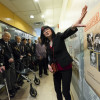
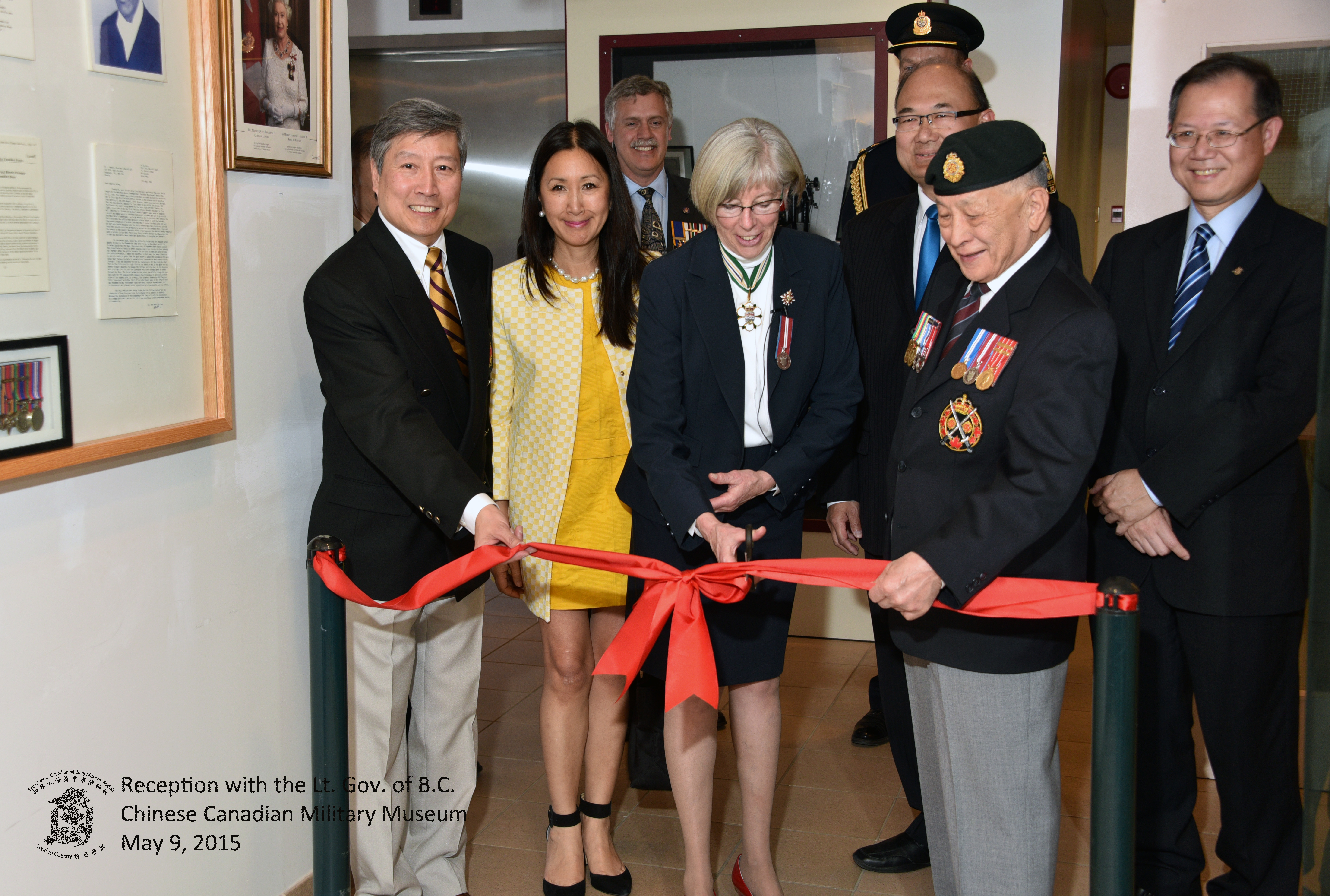
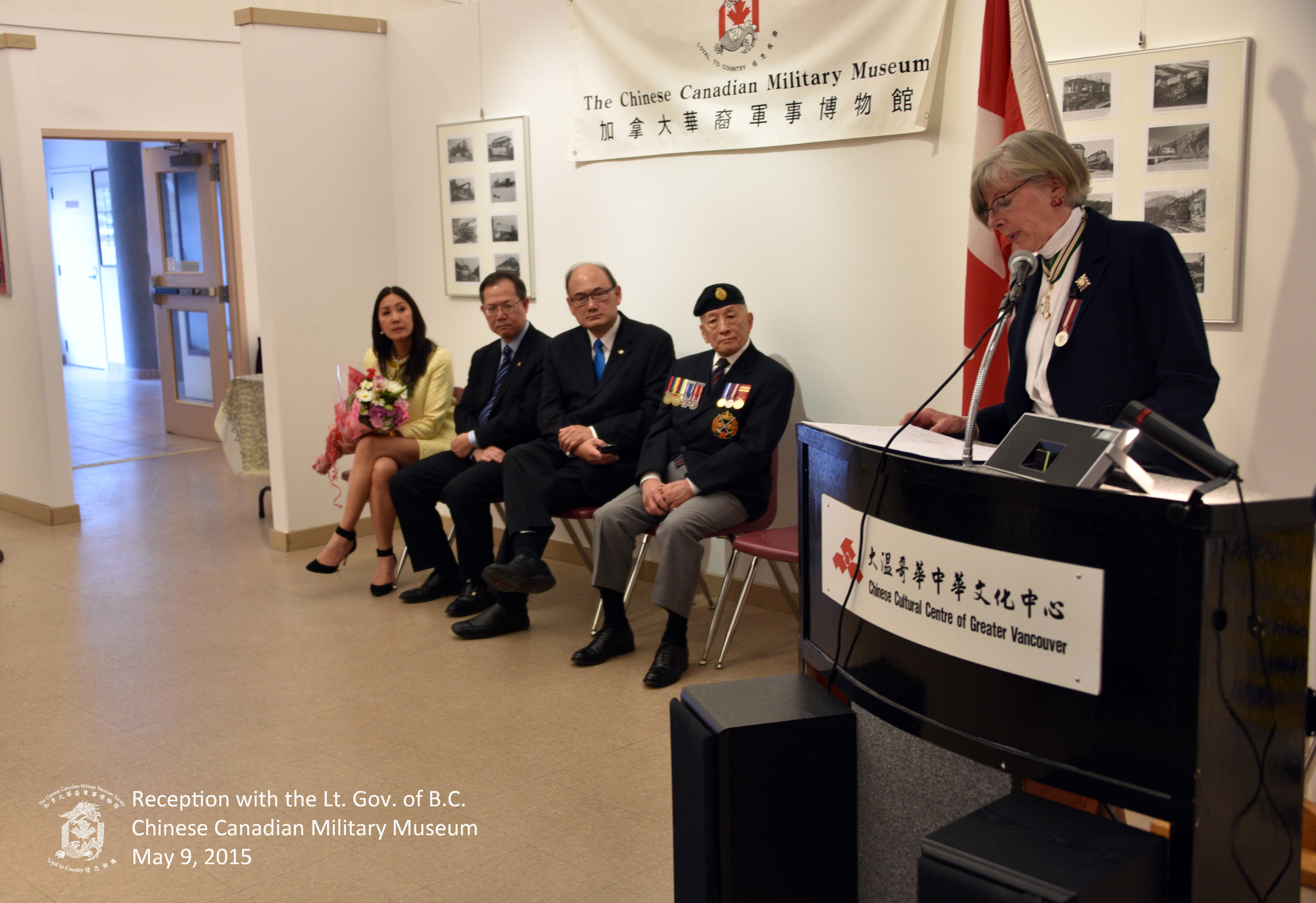
To commemorate the 70th anniversary of the end of the war in Europe, on May 9, 2015 we unveiled a refreshed museum with new exhibits and stories. Stories of courage, intrigue, perseverance, anguish and pain. Stories of individuals and stories of families and how the war shaped their lives. Museum id

Our goal is to research, collect and share with visitors the unique stories of the more 600 Chinese Canadians who fought in the Second World War. It was their sacrifices and loyalty to Canada that won all Chinese Canadians full citizenship.

  • Read the story on navigator Jim Gen Lee who was killed just six weeks before the end of the war in Europe.

The Lieutenant Governor of British Columbia, the Honourable Judith Guichon, was on hand to cut the ribbon on our refurbished museum.

Museum President King Wan, Carol Lee, Lt. Governor Judith Guichon, MLA John Yap, Museum founder Howe Lee, and MLA Richard Lee.

Museum President King Wan, Carol Lee, Lt. Governor Judith Guichon, MLA John Yap, Museum founder Howe Lee, and MLA Richard Lee.

Lieutenant Governor, the Honourable Judith Guichon, addresses the guests at the Museum opening.

Lieutenant Governor, the Honourable Judith Guichon, addresses the guests at the Museum opening.

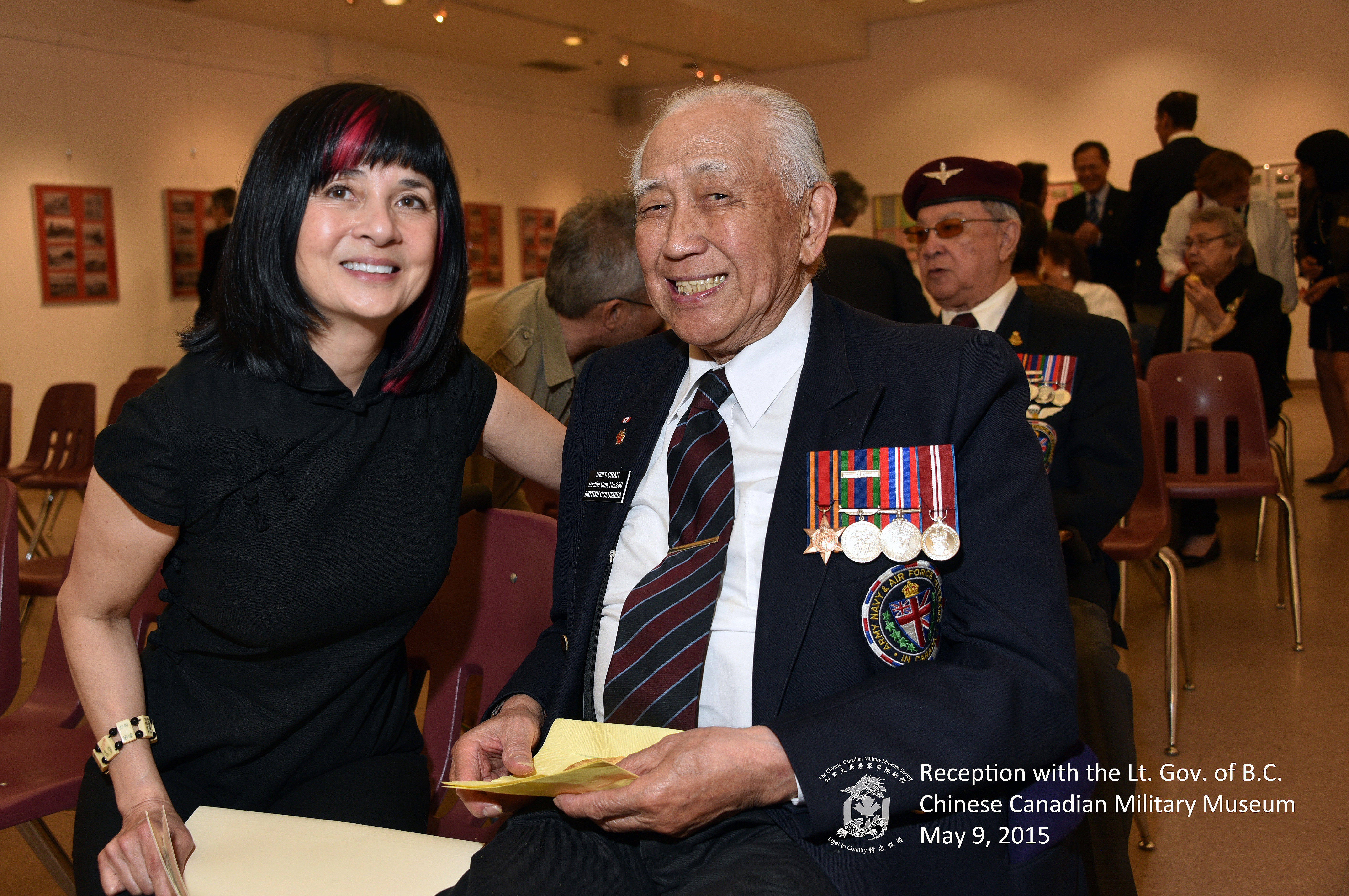
Curator and exhibition designer Catherin Clement chats with WWII veteran Neil Chan.

Curator and exhibition designer Catherine Clement chats with WWII veteran Neill Chan.

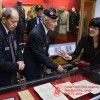
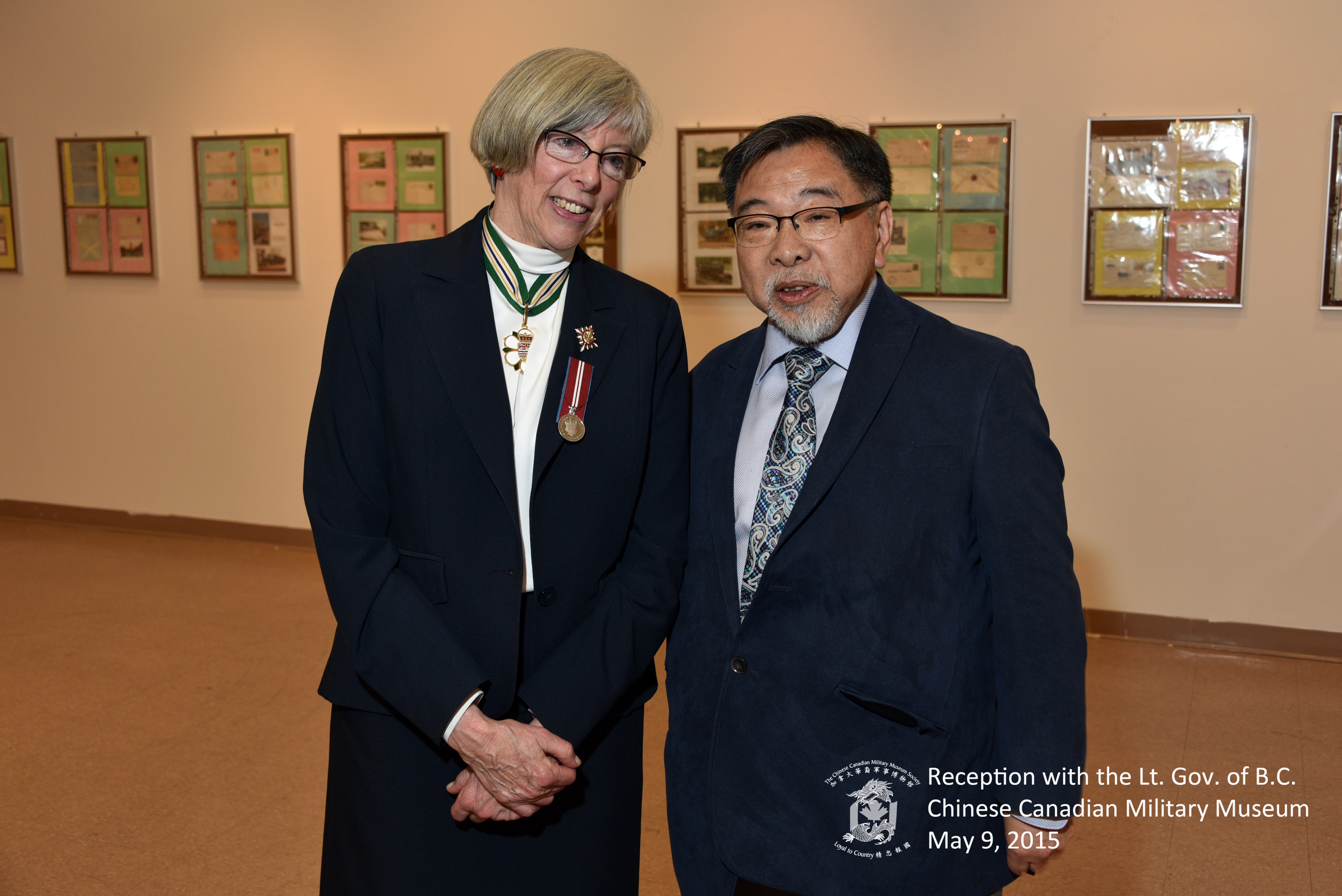
Lieutenant Governor Judith Guichon speaks with museum historian Larry Wong.

Lieutenant Governor Judith Guichon speaks with museum historian Larry Wong.

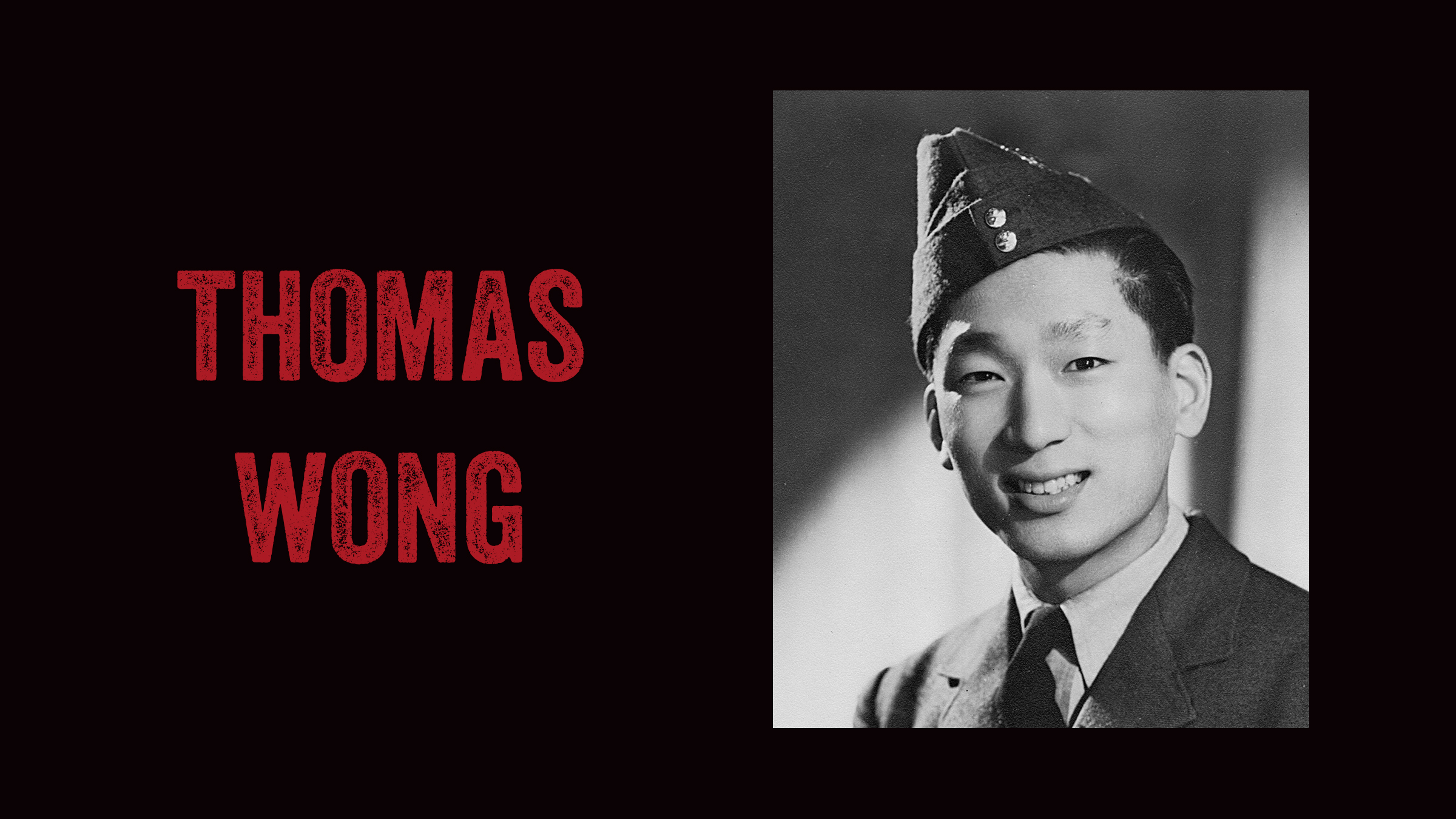
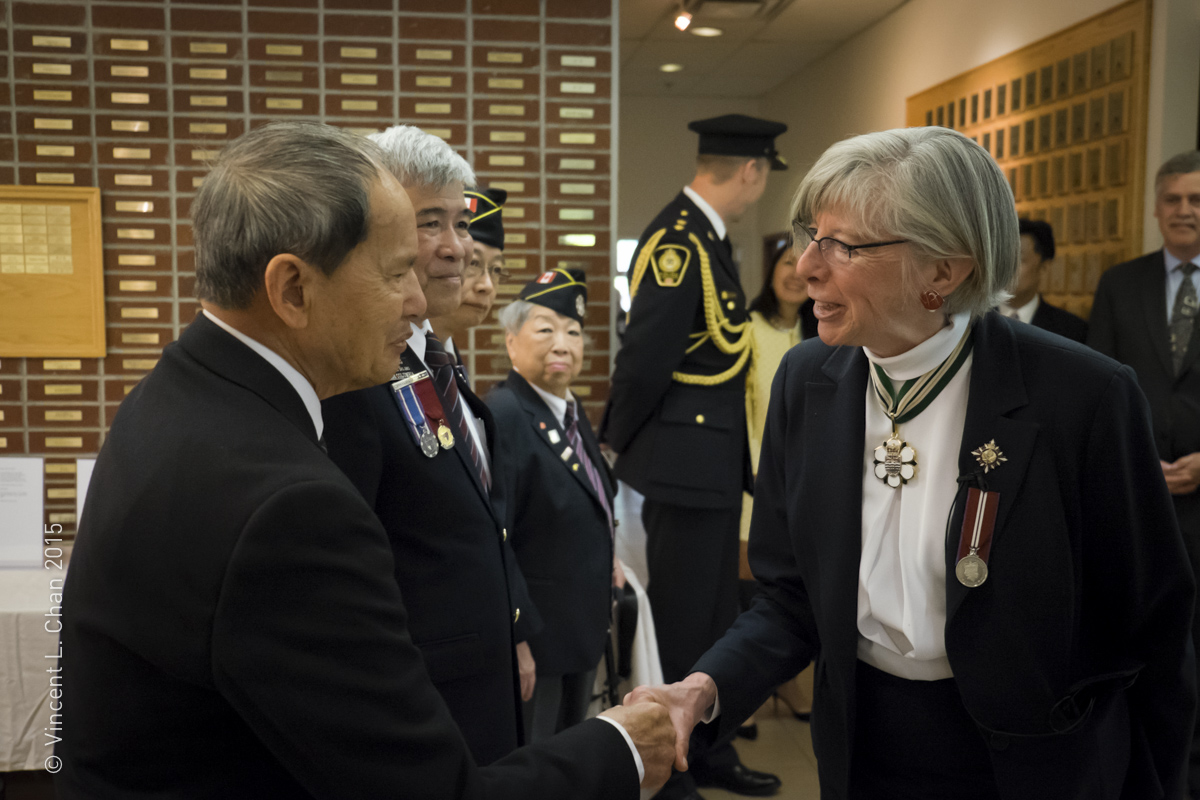
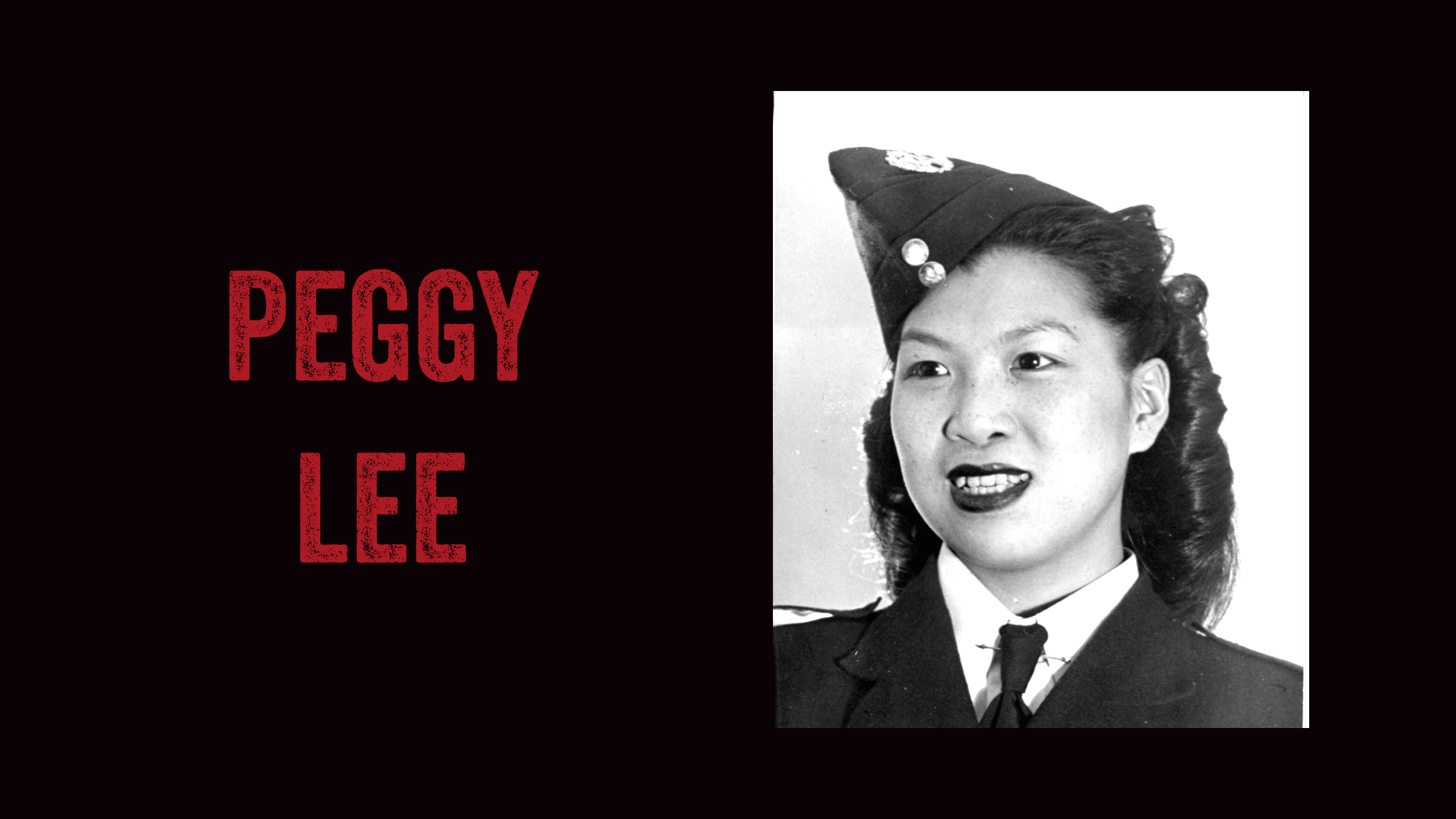
WWII veteran Tommy Wong meets Lieutenant Governor Judith Guichon while another WWII veteran, Peggy Lee, looks on.

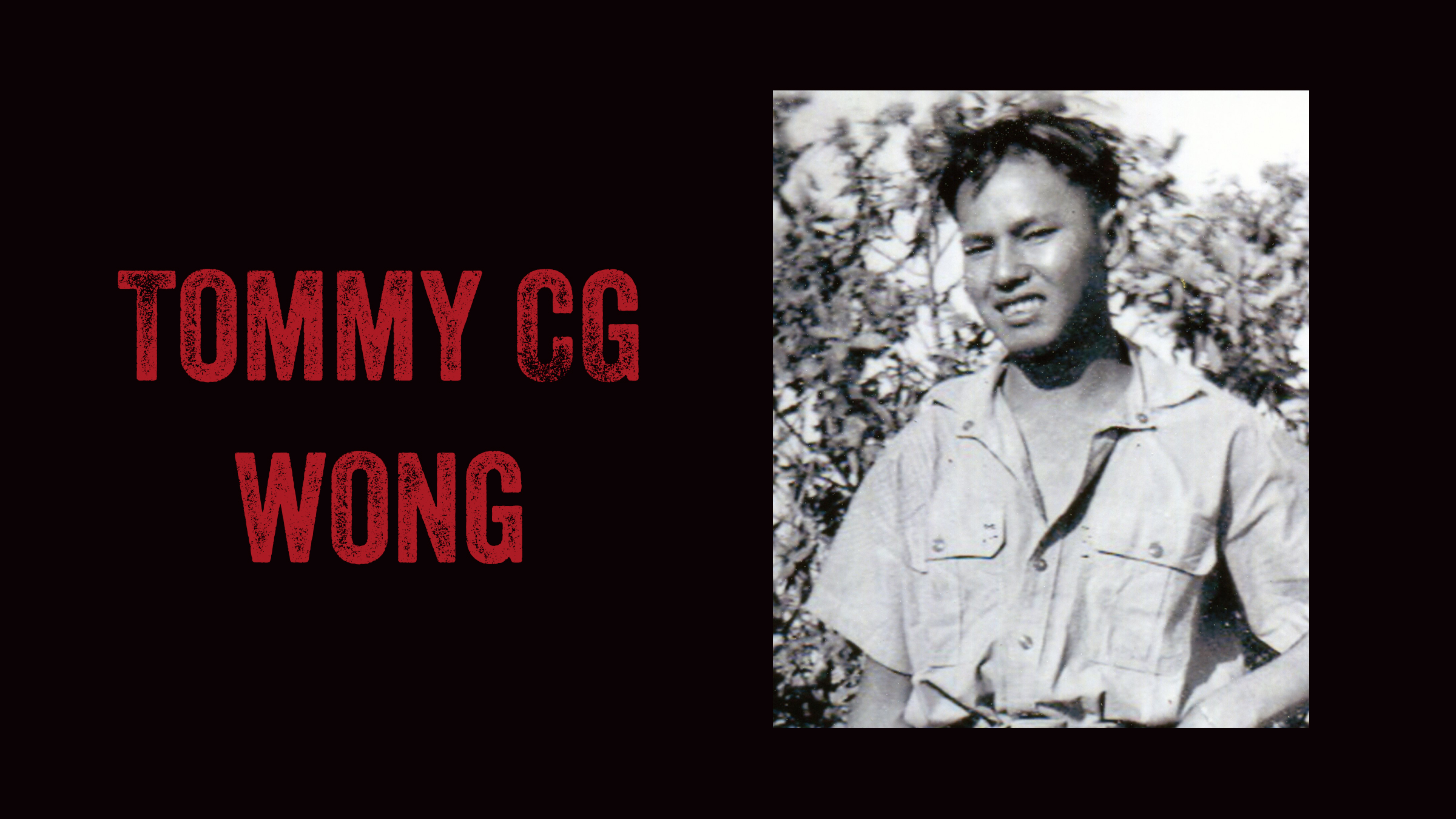
WWII veteran Tommy CG Wong meets Lieutenant Governor Judith Guichon while another WWII veteran, Peggy Lee, looks on.

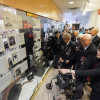
Chinese Cultural Centre board chair Fred Kwok, chats with William Kwok and Christine Faron Chan about one of the new exhibits.

Chinese Cultural Centre board chair Fred Kwok, chats with William Kwok and Christine Faron Chan about one of the new exhibits.

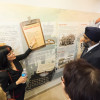
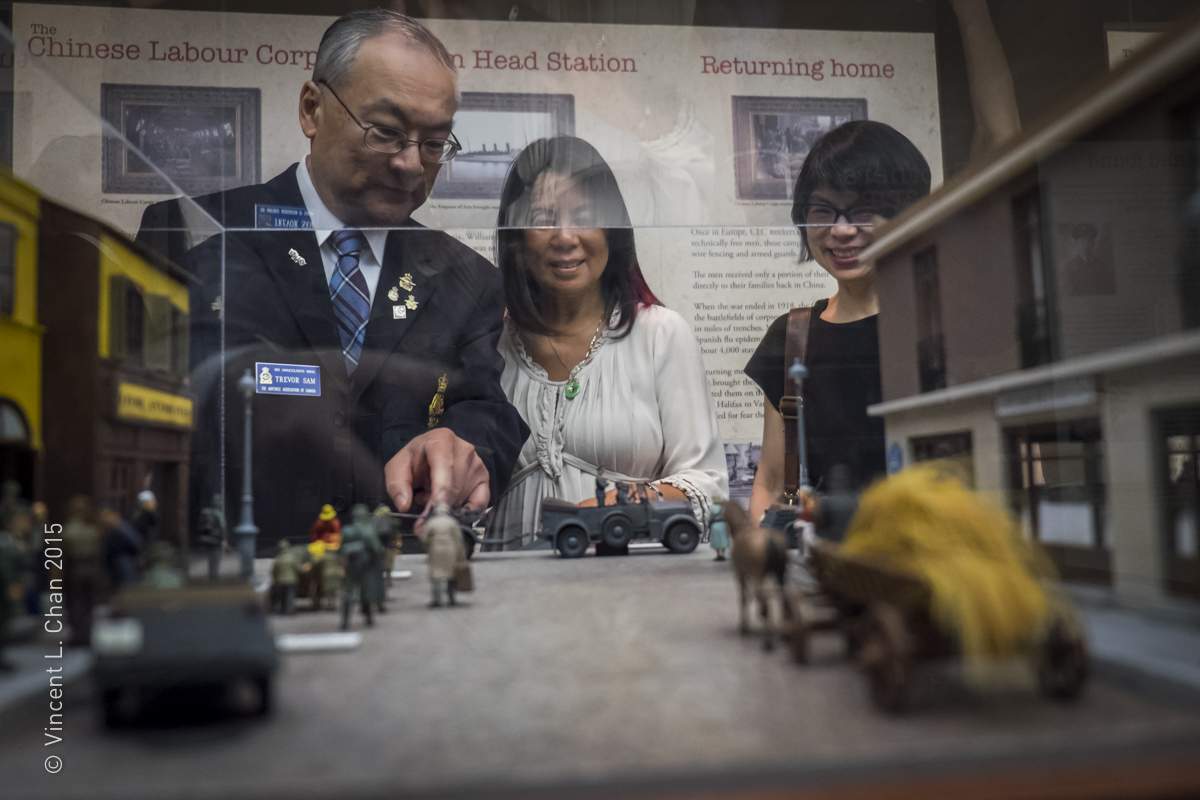
Military historian and museum member Trevor Sam explains the story behind a model to family members.

Military historian and museum member Trevor Sam explains the story behind a model to family members. Trevor’s father — Douglas Sam — served in bomber command during the war.

True Patriots: Chinese Canadians and War

True Patriots: Chinese-Canadians & War

To commemorate the 100th anniversary of the start of WWI and to celebrate the 70th anniversary of D-Day, we unveiled a new exhibit at the museum for Asian Heritage Month.

The launch event was on May 14, 2015 and included a panel discussion with leading historians and a special screening of the documentary Operation Oblivion.

Panelists included: Dr. Henry Yu (UBC), Dr. Richard Vedan (UBC), Dr. John Price (Univ of Victoria) and Mr. Naveen Girn.

Banner-invite

Red Tails and Dragon Tales Summit

Red Tails & Dragon Tails Summit

June 2013

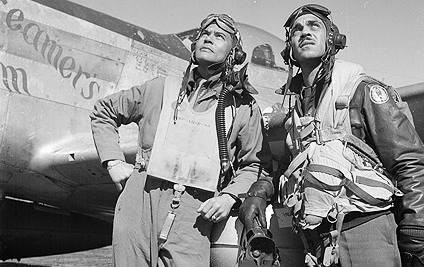
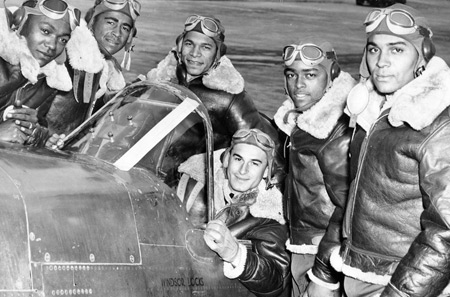
A three-day summit – entitled Red Tails and Dragon Tales – brought together, for the first time ever, two groups of WWII veterans that faced discrimination: the Tuskegee Airmen and Chinese-Canadian veterans. Both groups’ military contributions were instrumental to helping the Allies win the war and also to changing societal attitudes in their home countries.

While most of their ranks have passed away, a few remaining veterans, mostly in their late 80s and 90s, met to share their stories.

During WWII, the Tuskegee airmen were the first group of African-American aviators to fly in combat for the US armed forces. At the time, the American military was still racially segregated. Many felt African-Americans lacked the intelligence and skill to perform anything beyond basic, menial tasks in military duty. Despite this segregation and prejudice, the Tuskegee Airmen went on to become one of the most highly respected fighter groups in the war. They were dubbed “the Red Tails” after one fighter group painted their P47s and later P51s with a red tail.

Meanwhile here in Canada, men and women of Chinese descent, who were born in Canada, were not allowed to vote. As well, the 1923 Exclusion Act was still in effect. That Act essentially banned Chinese Immigration to Canada. Despite this discrimination, when the WWII broke out, Chinese men and women volunteered in the hundreds to fight for Canada. They enlisted in every branch of the armed forces and participated in every theatre of war. The result: on May 14, 1947 Chinese-Canadians were finally granted the right to vote.

Dozens of people came out to hear the stories of these amazing veterans. It was a once-in-a-lifetime opportunity to meet some veterans that changed everything.

Special thanks to the people and organizations that helped make this meeting possible: the Consulate of the United States Consulate; the City of Vancouver; and our very good friend and supporter, Don Chapman.

Newer posts »